
Dispatches from the Nam Ou
Dien Bien —
Where Two Wars Began
The valley where 300 years of European colonial certainty came apart in 56 days.
The Valley
The Place That Changed Everything
We flew from Hanoi into a valley surrounded by mountains — a short hop on a prop plane into the place where European colonialism received its fatal wound. On 7 May 1954, after 56 days of siege, Vietnamese forces under General Vo Nguyen Giap overran the French garrison at Dien Bien Phu. It was, as historian Jean-Pierre Rioux put it, “the only pitched battle lost by a European army in the entire history of decolonisation.”
The French had held Indochina — Vietnam, Laos, and Cambodia — for nearly a century. After Dien Bien Phu, it was over in weeks. The defeat brought down the French government, ended their empire in Asia, and sent a signal that echoed from Algeria to Kenya to Malaya: colonial powers were not invincible. The world’s anti-colonial leaders understood it immediately. So did the Americans, who stepped into the vacuum and began their own twenty-year entanglement.
We were here because the road to the Nam Ou runs through this valley. Our plan was to cross the border into Laos and start paddling. But the border had other ideas — no visa, no crossing. So we settled in for a few extra days. Dien Bien Phu rewarded us for it.
Hill D1
The Monument & the Graves
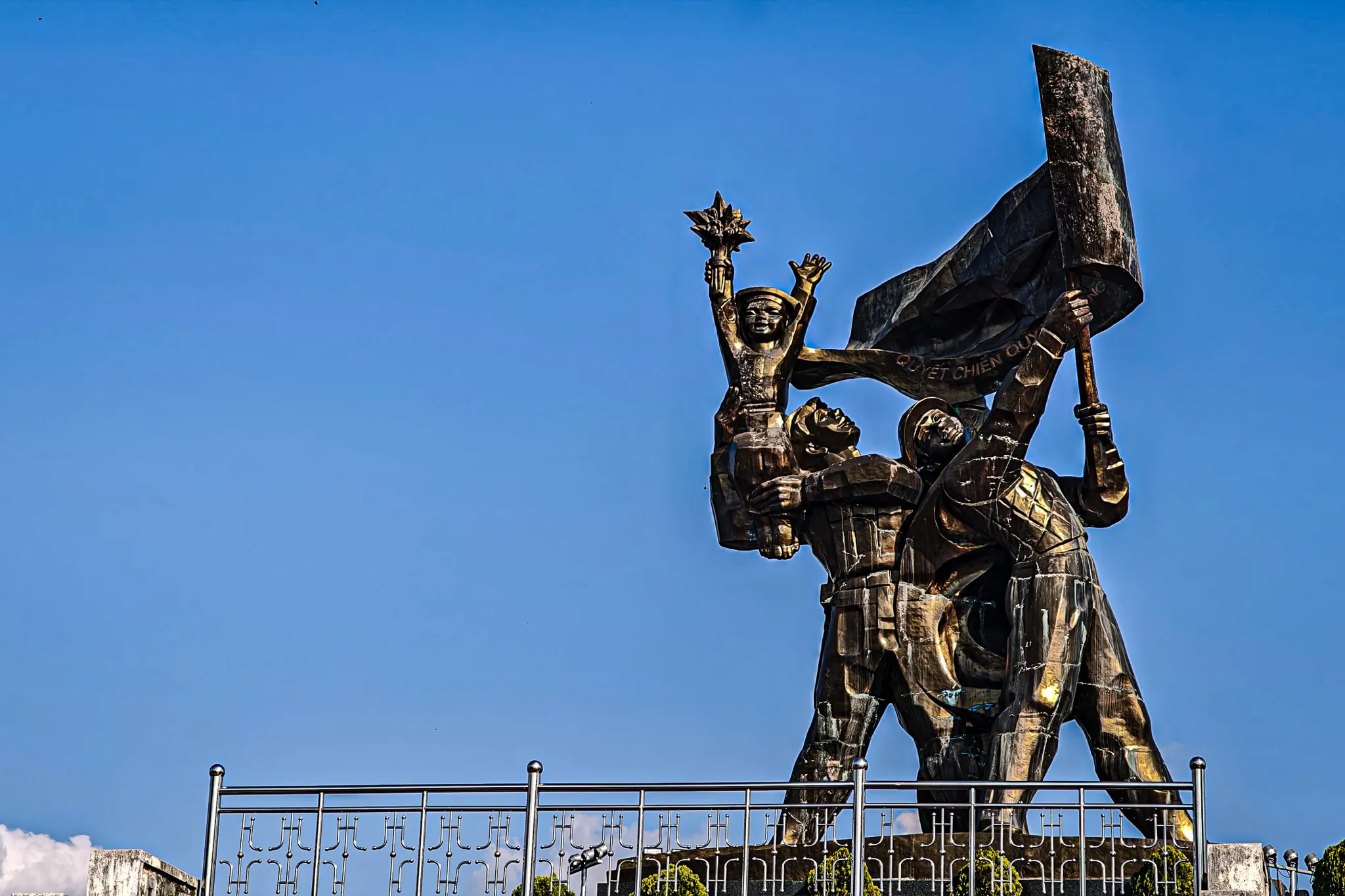
The Victory Monument stands six metres high on Hill D1 — once called Dominique by the French — and weighs 220 tonnes of cast bronze, the largest ever made in Vietnam. It was sculpted in 1965 but sat in storage for nearly four decades; it was only placed here in 2004, for the 50th anniversary. The inscription reads Quyết chiến, quyết thắng — “Determined to fight, determined to win.”
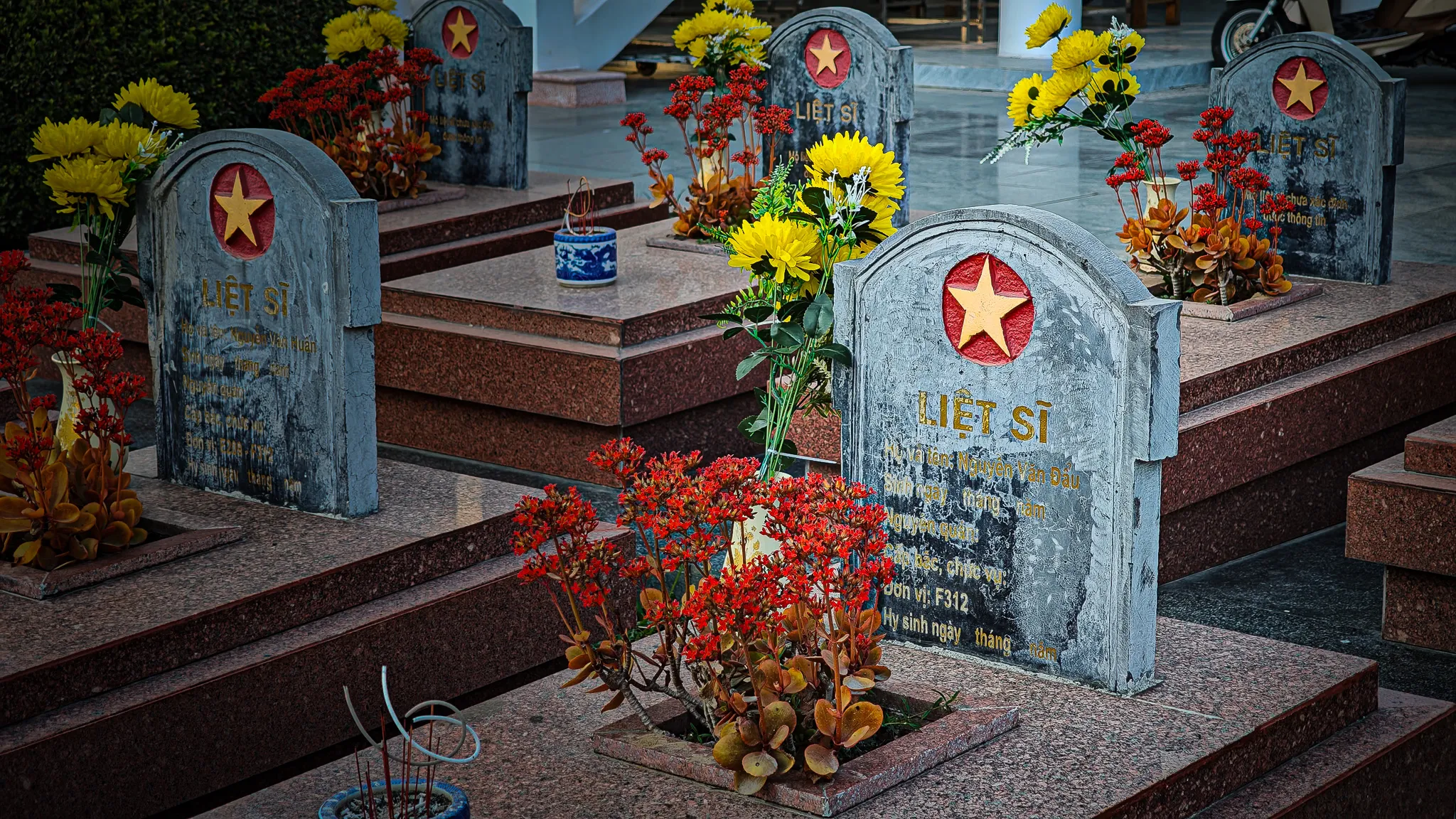
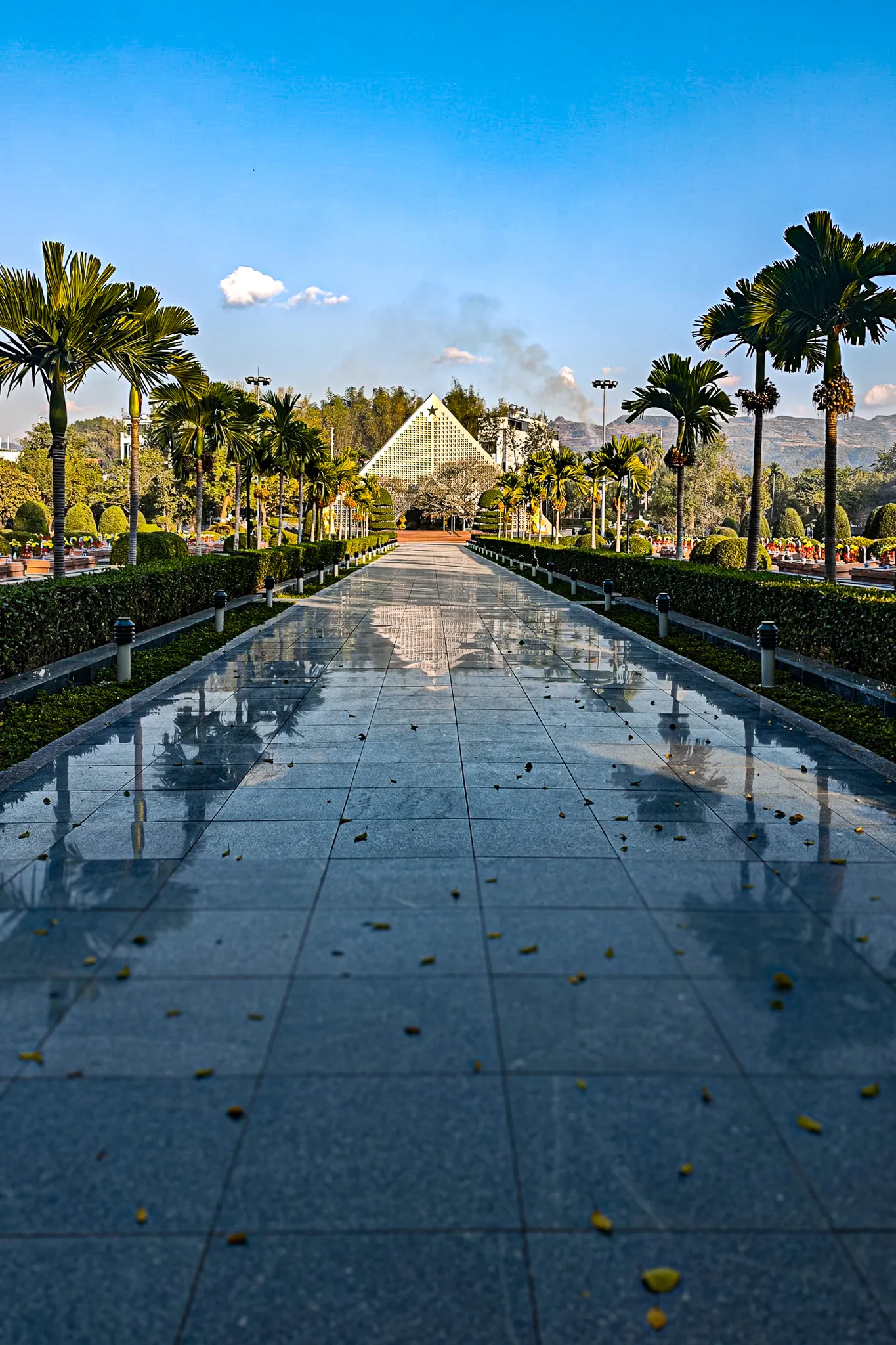
Below it, the memorial graves. Row after row of marble headstones marked Liệt Sĩ — martyr — each with a red and gold star, each one still decorated with fresh chrysanthemums. Somebody tends these graves every day. The flowers aren’t for tourists.
Inside the Dien Bien Phu Victory Museum, the 360-degree panoramic painting is genuinely staggering. Completed in 2022, it wraps around you — 3,225 square metres of oil on canvas, combined with sculpted terrain, sound, and light. It tells the story in four acts: the people heading to battle, the epic prelude, the confrontation, and the victory. Standing in the centre, surrounded by the scale of it, you stop thinking about history as something that happened in a textbook.
People
Meeting Mary
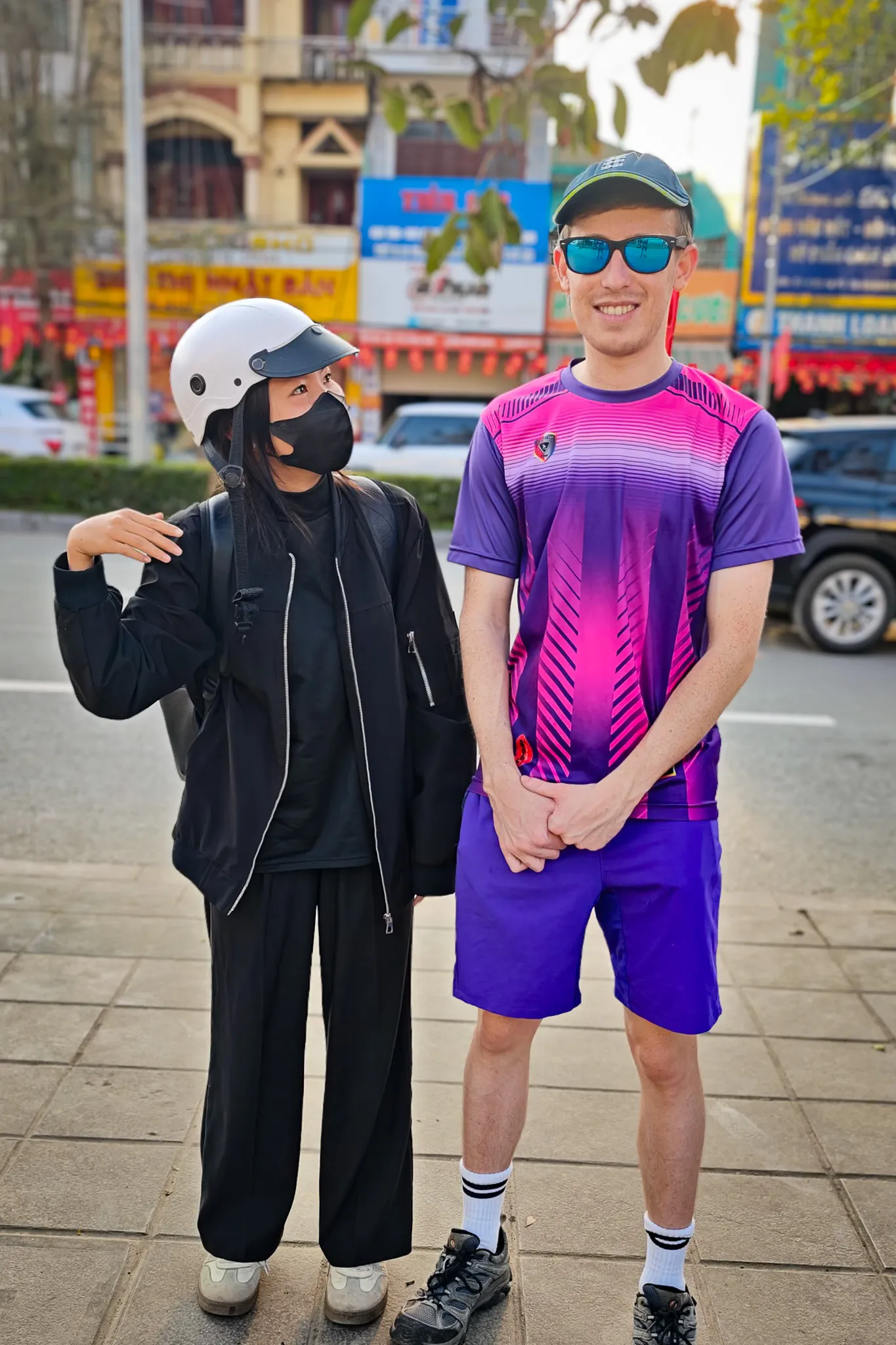
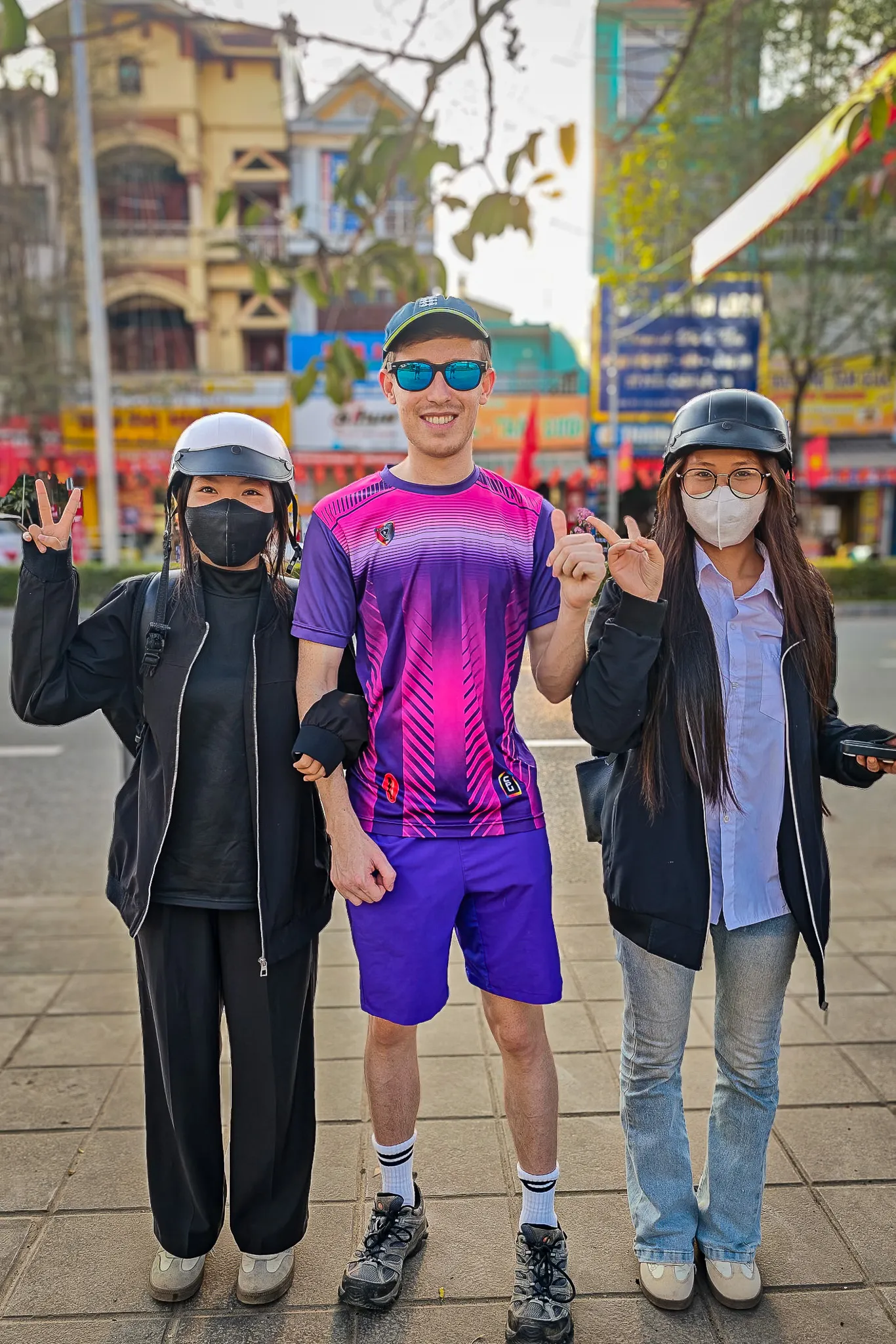
Dien Bien Phu is a small town. Walk three blocks from the memorial and you’re in the real version — motorbike workshops, noodle carts, kids playing in doorways. We met Mary at her cakery, and Han showed us around the quieter streets. The Vietnamese shop signs use the same Roman alphabet the French introduced — one of colonialism’s unintended gifts — but the language, the food, and the life behind those signs is entirely Vietnamese.
Food
Bún Cá, Bánh Mì & the Night Market
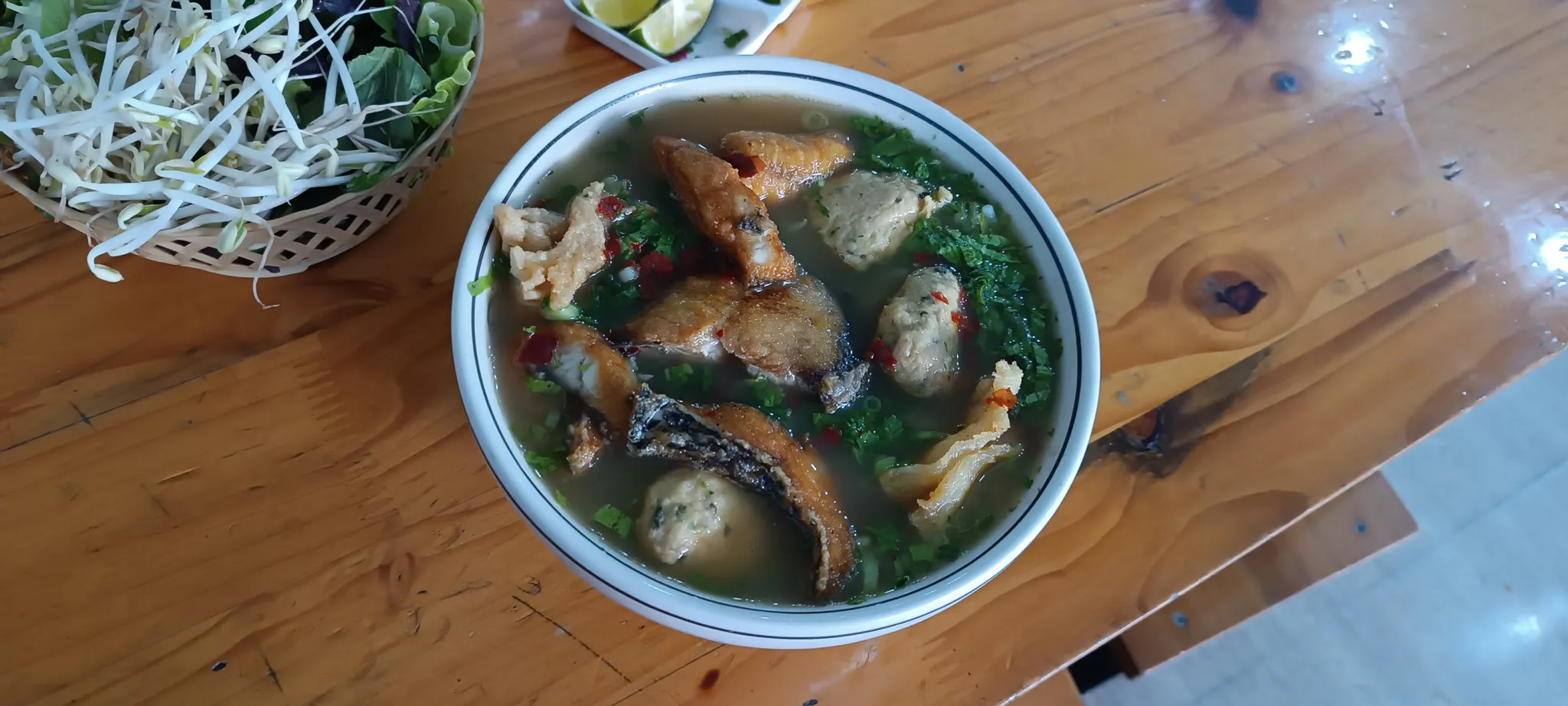
Northern Vietnamese cuisine is subtler than the south — less sugar, less coconut, more herbs and fermented fish. In Dien Bien, the regional signature is bún cá, a fish noodle soup with a slow-cooked broth made from fish bones simmered with grilled ginger and whole stalks of lemongrass. The fish is fried until the skin crisps, then laid on top of soft rice vermicelli with fresh herbs and a basket of bean sprouts on the side. Earthy, warming, and you add the chillies yourself — more with each bowl as your tolerance builds.
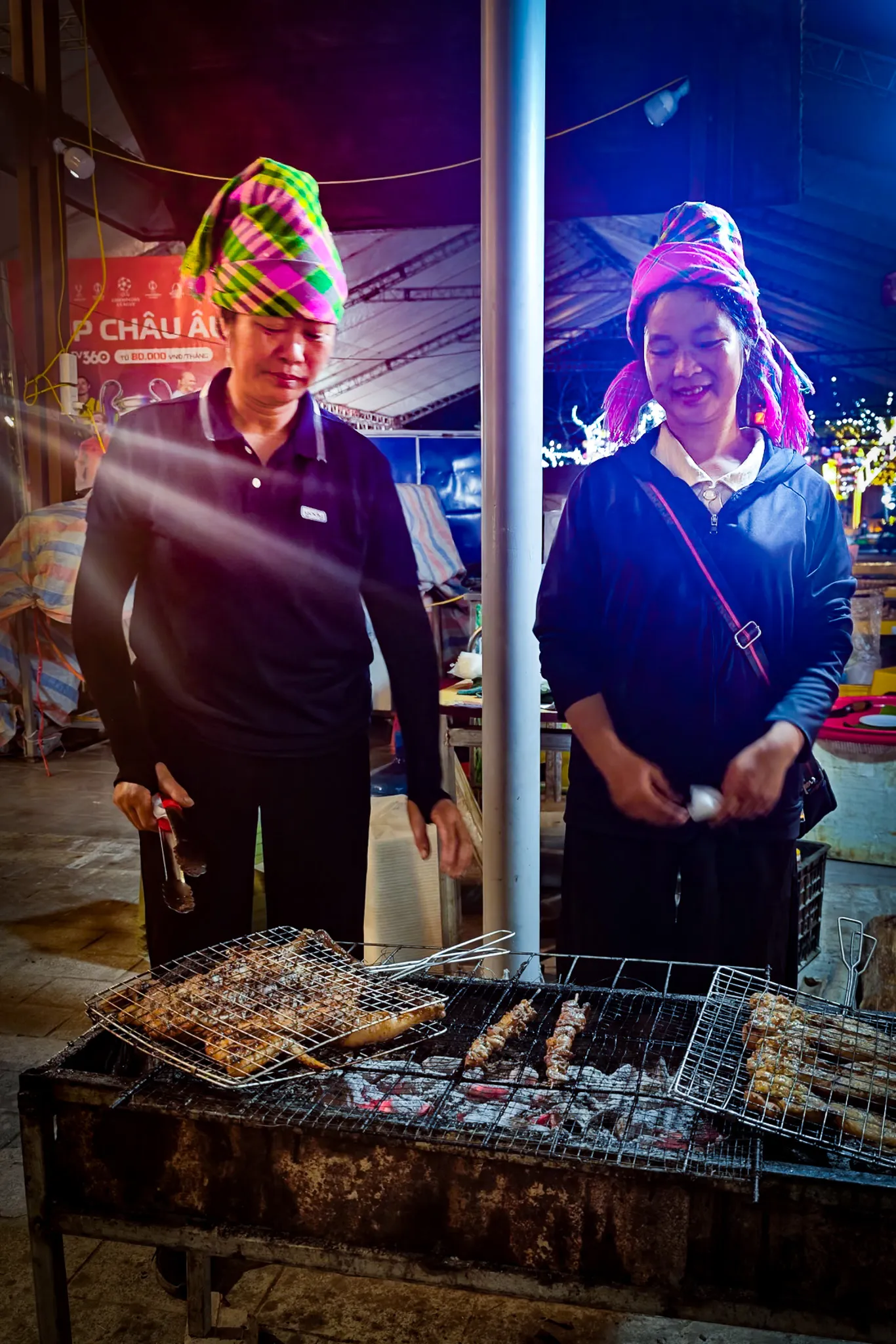
At the walking street night market, a couple in traditional colourful Thái headscarves grilled lamb and pork skewers over charcoal. Dien Bien sits in the homeland of the Black Thái and White Thái ethnic groups, and their food traditions — grilled meats, sticky rice, dipping sauces — run deeper here than the Hanoian dishes tourists expect.
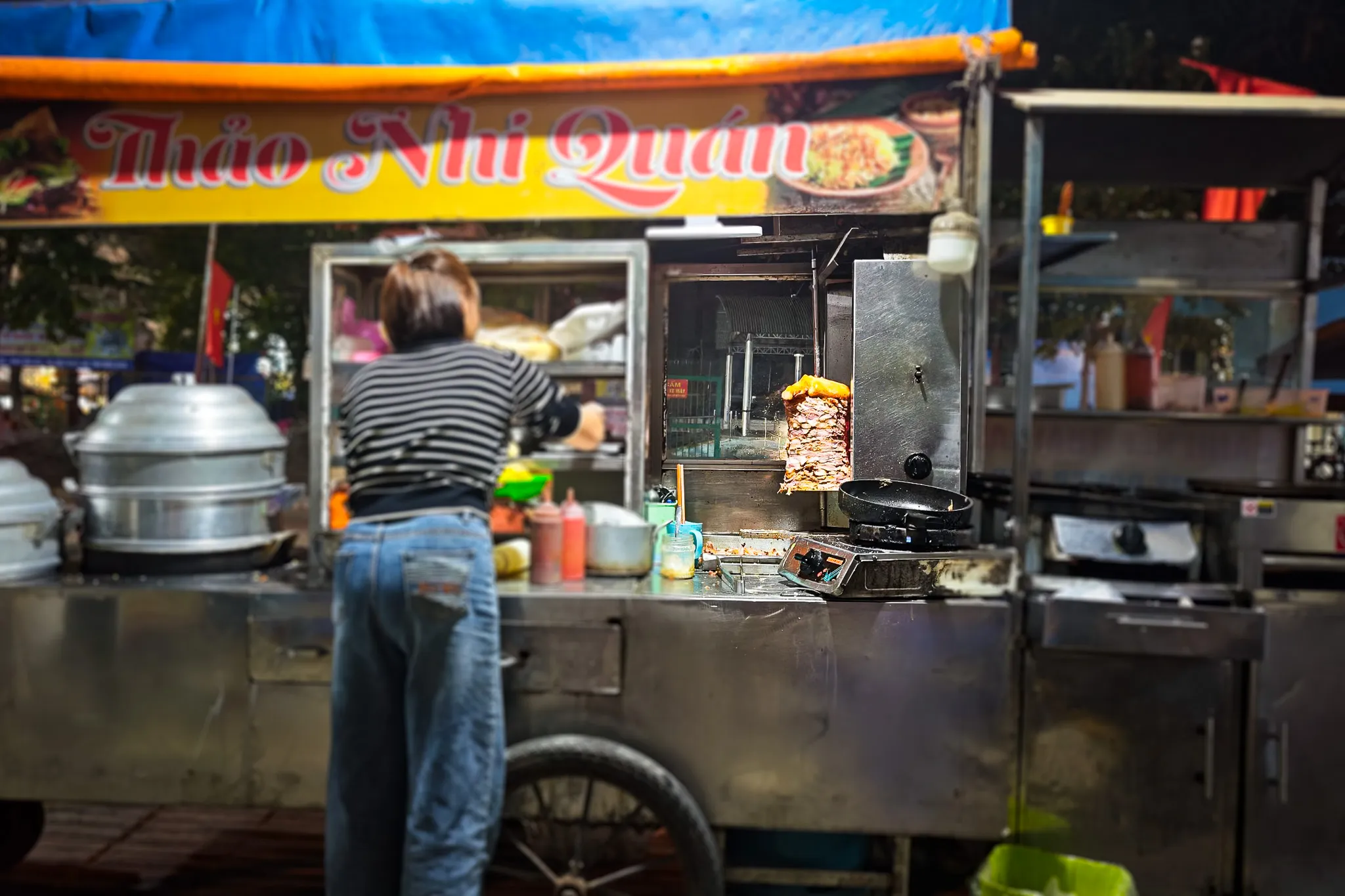
The surprise was the bánh mì doner kebab — a Vietnamese-Turkish fusion that’s become a proper street food category across the north. A rotating meat spit, the familiar vertical broiler, but the bread is a crispy Vietnamese baguette. Pickled vegetables, fresh cucumber, chilli sauce, shaved pork. The French brought the baguette; the Vietnamese made it theirs; somewhere along the way, the döner kebab found its way in too. Colonialism, trade routes, and hunger — the usual recipe for good food.
Preparation
Packing for the Nam Ou
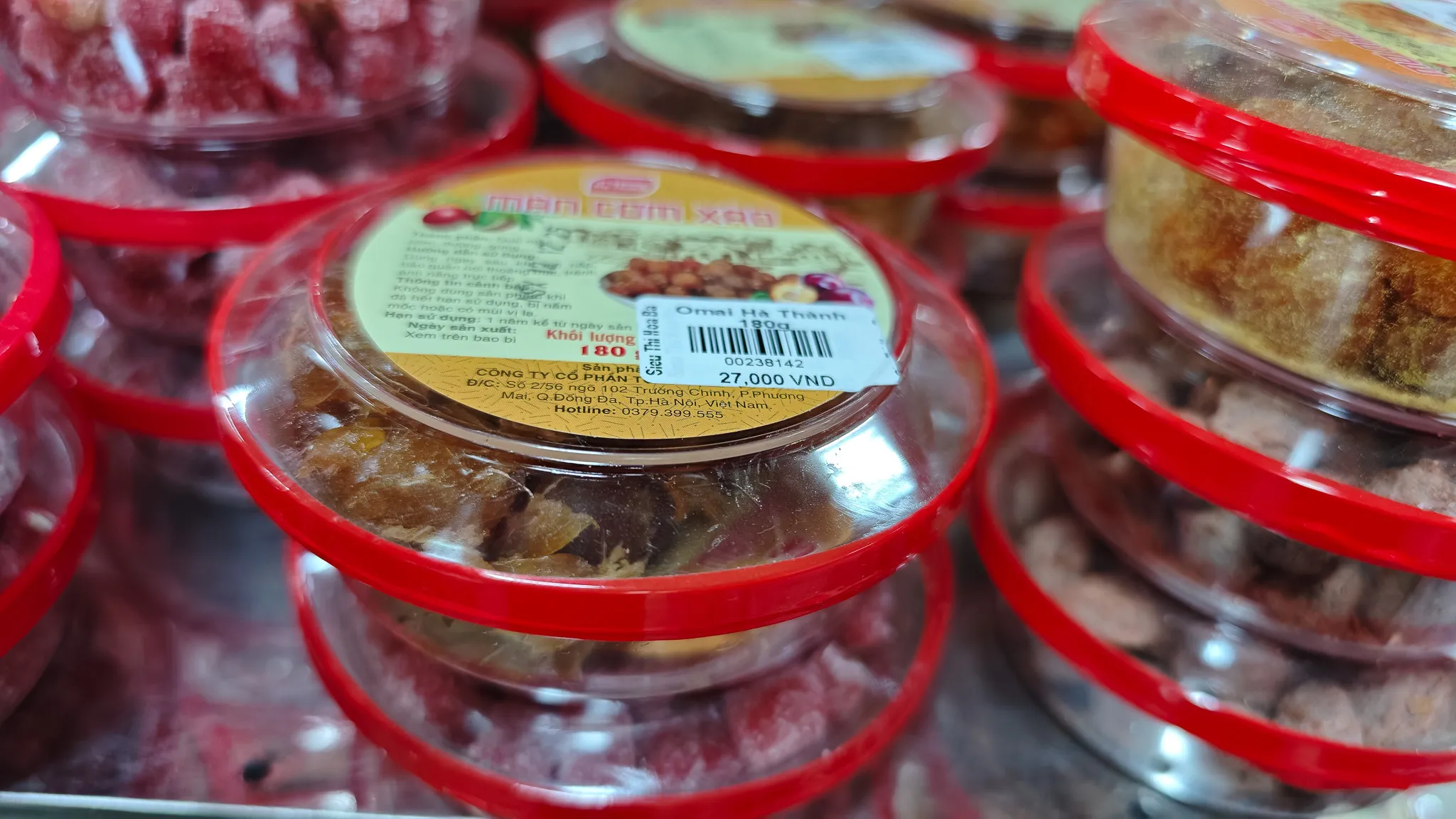
On our last day, we hit the supermarket for packraft supplies. The packaging was enormous — everything sold in bulk — and they offer a bag-packing service, which tells you something about how much people buy at once. Fresh food you get at the markets; the supermarket is for shelf-stable fuel. We loaded up on snacks, noodles, and anything that could survive a few days on a river.
The border was clear. The packrafts were packed. Tomorrow we cross into Laos.
Next Stop
Muang Khua — The Launch Point
33 people on a 15-seater bus. Border controls. And the party that started everything.
Read Next →