
Day 34-36
Beijing & Home — Full Circle
From Chungking samosas at 2am to the Forbidden City at dawn. The last stop before the long flight home.
Last Night in Hong Kong
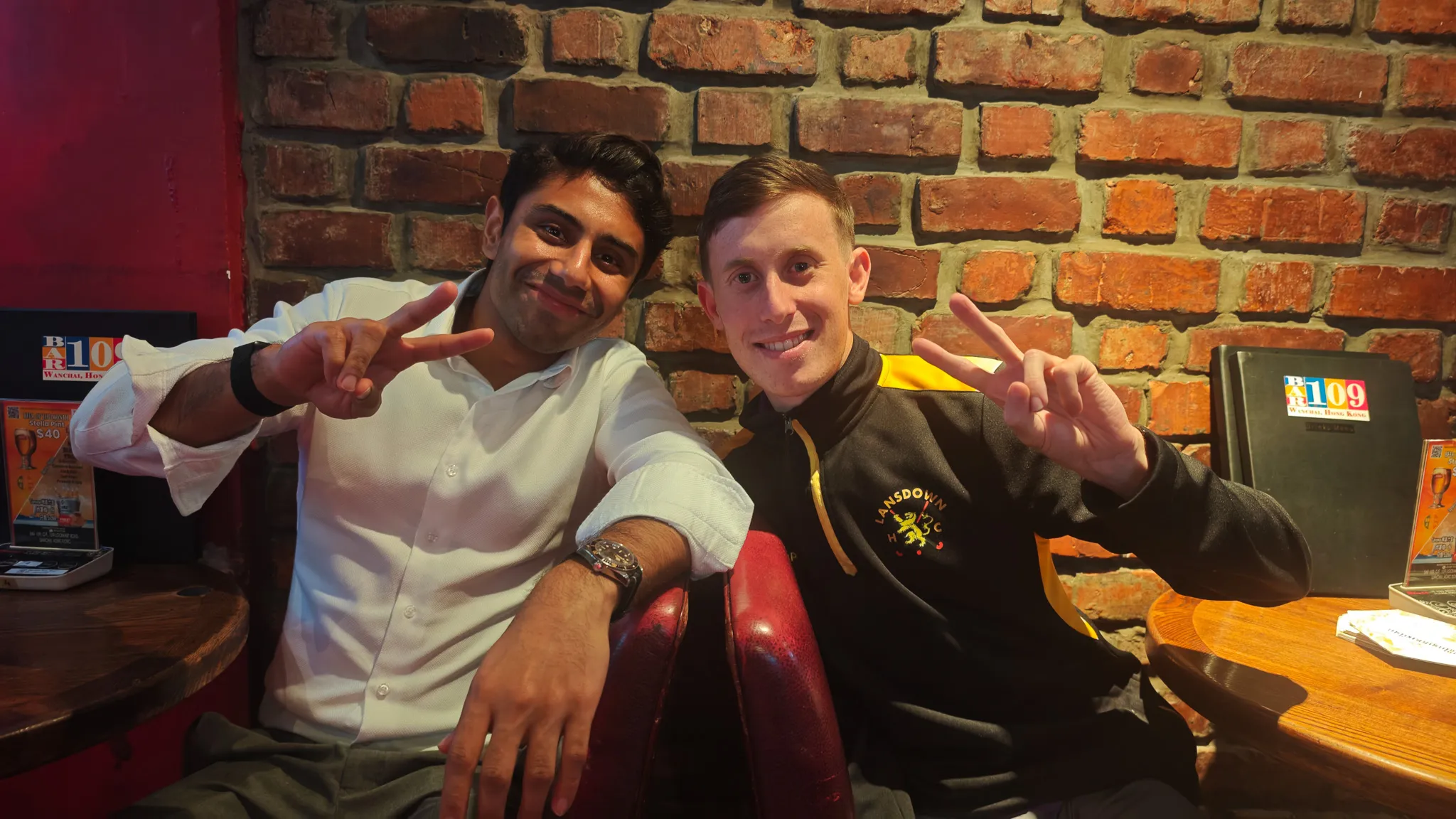
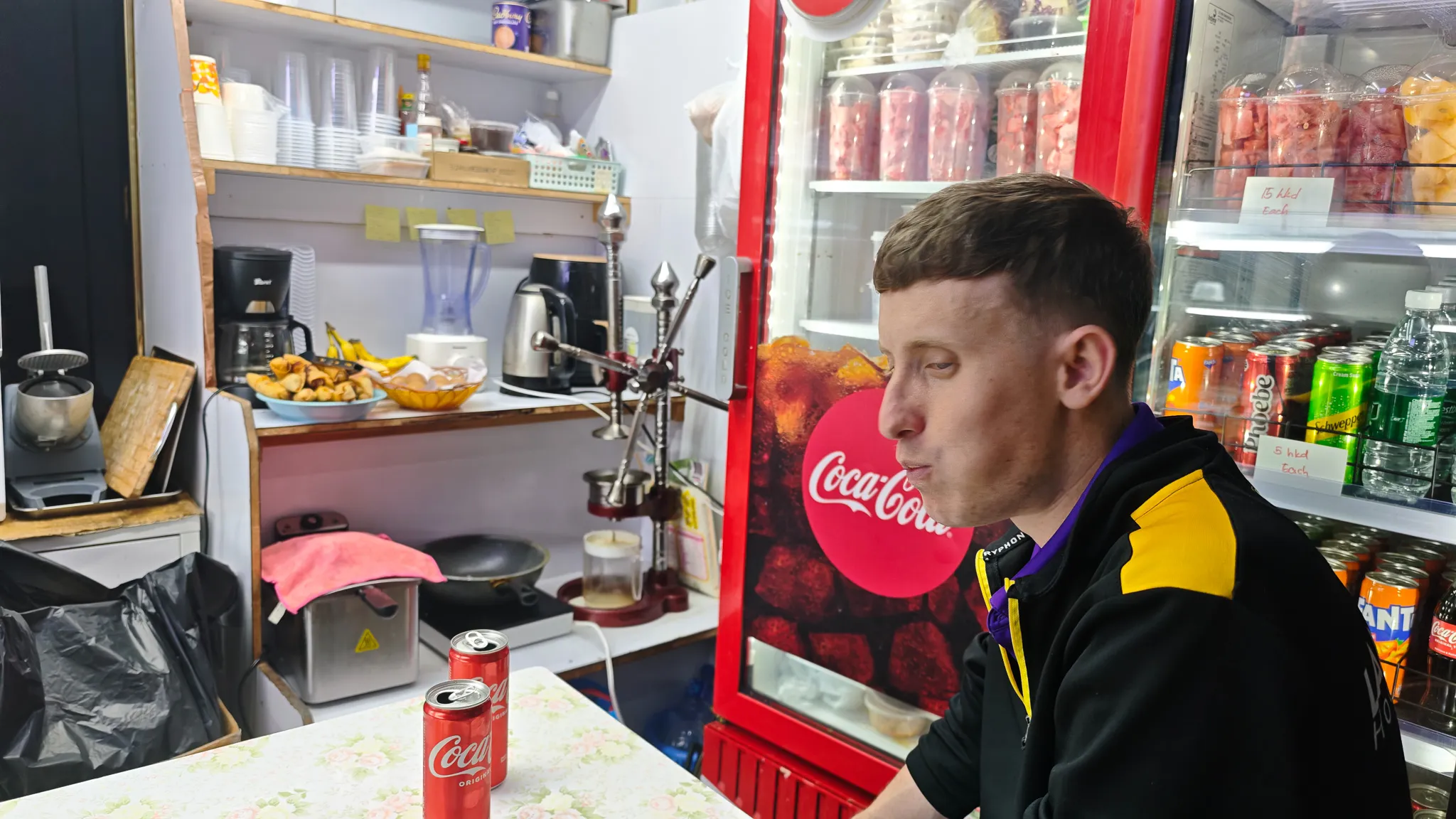
The last night in any city is always the most reckless. We ended up back at Chungking Mansions at 1am, drawn by the food stalls that never close. The samosa guy worked behind a counter barely wider than his shoulders, turning out perfect golden parcels of spiced potato while a Bollywood soundtrack played from a phone propped against a Coca-Cola can.
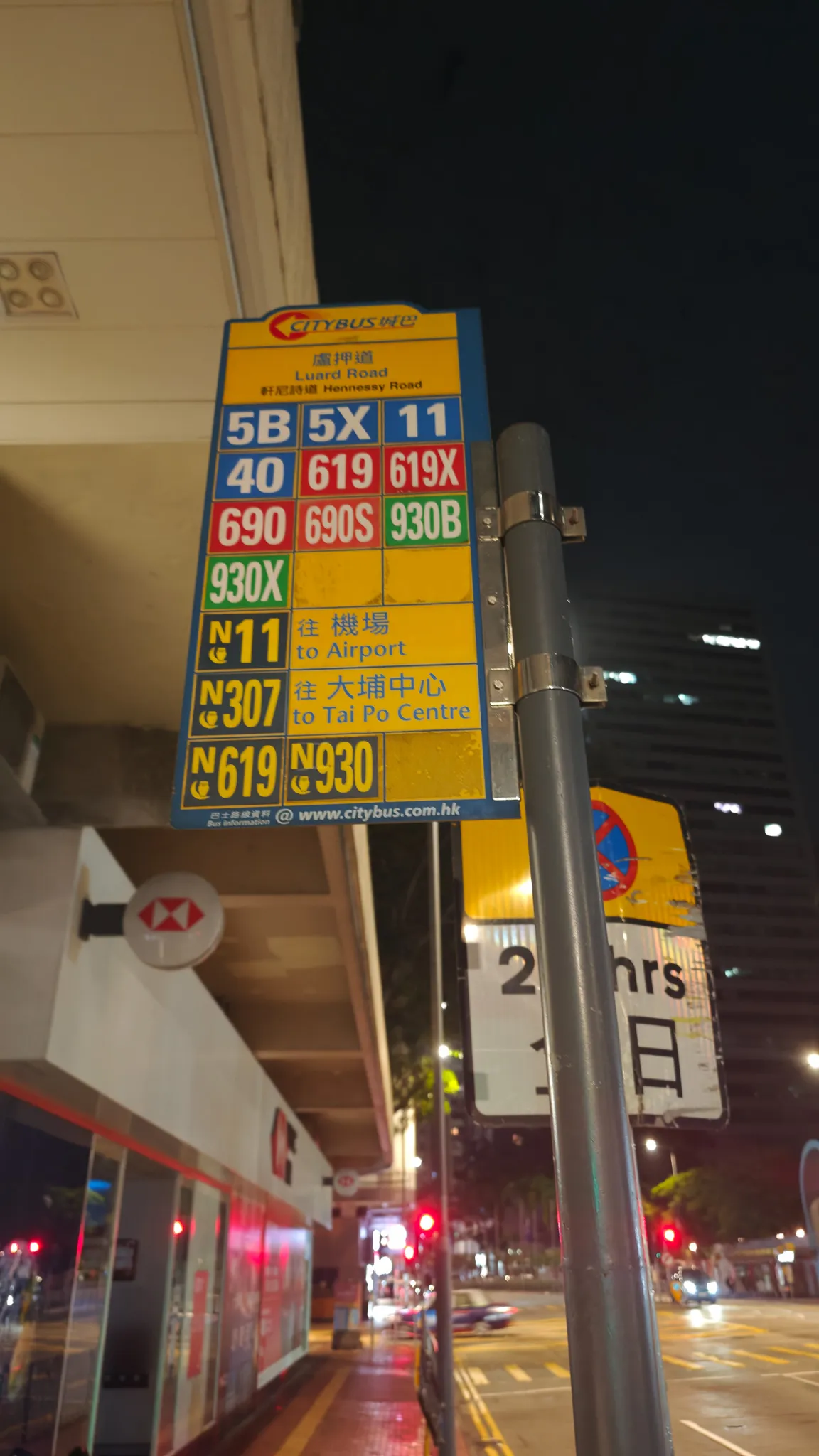
We ate standing up, burning our fingers, talking nonsense. Then the Wan Chai bus stop, the night bus routes listed in neat rows — N11 to the airport, if we’d wanted it. We didn’t. One more round. One more conversation with a stranger who’d become a friend by morning. That’s how Hong Kong works: it refuses to let you leave gracefully.
The Forbidden City
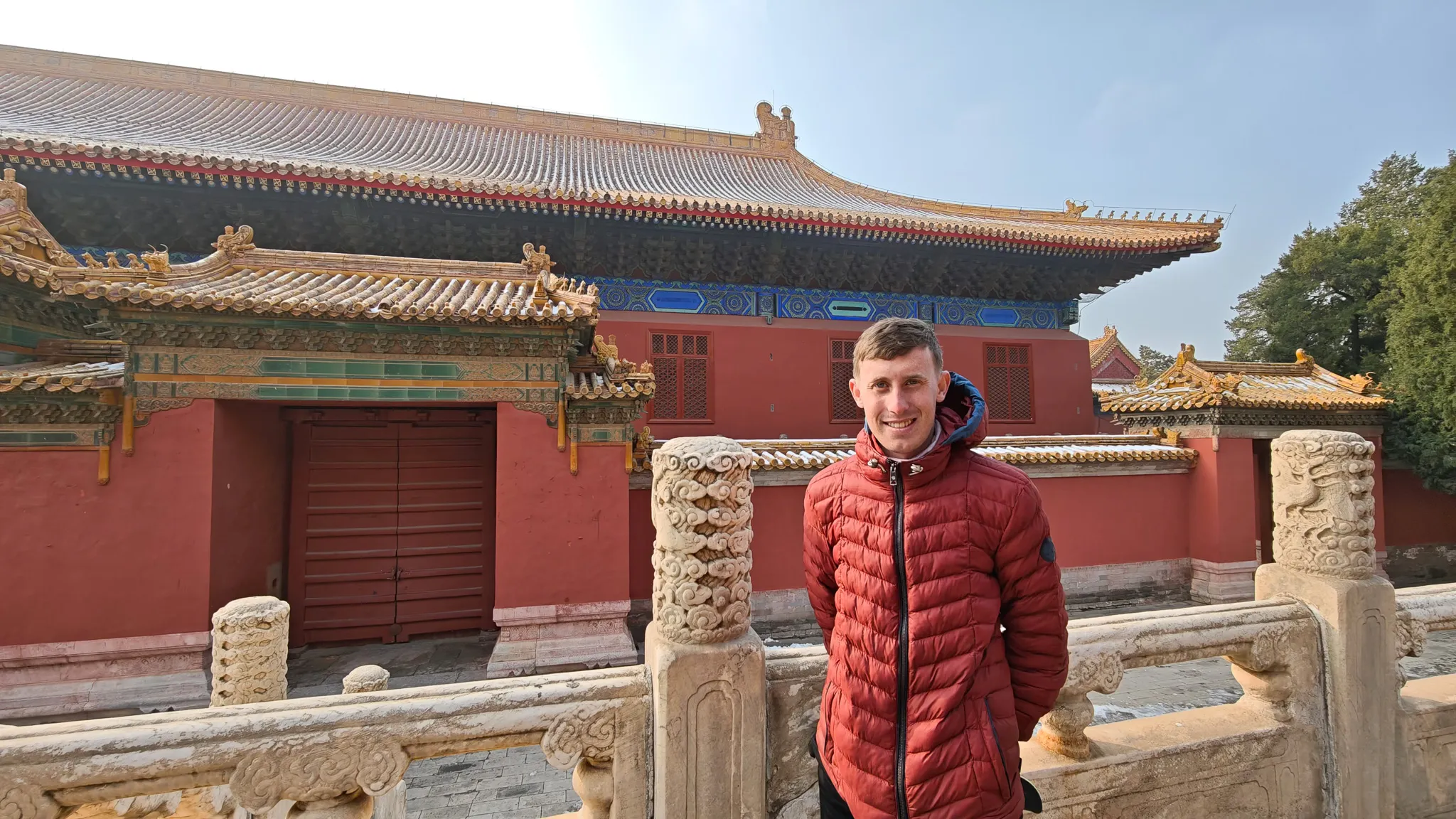
Built in 1420, the Forbidden City held 24 emperors across two dynasties — Ming and Qing — behind walls that ordinary people could not enter on pain of death. Now anyone with 60 yuan and a passport can walk through the Meridian Gate and stand where emperors once conducted the business of ruling a quarter of humanity.
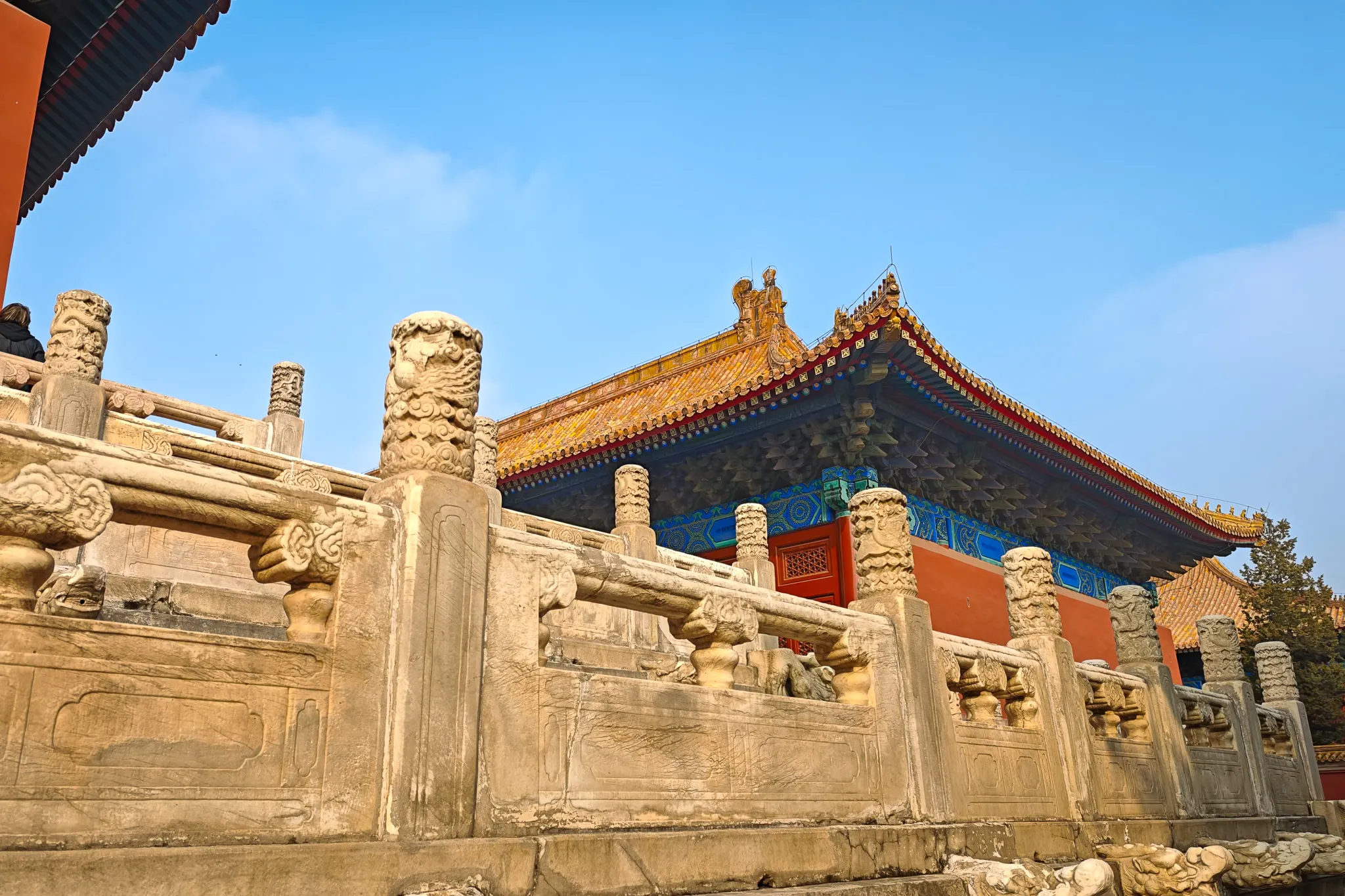
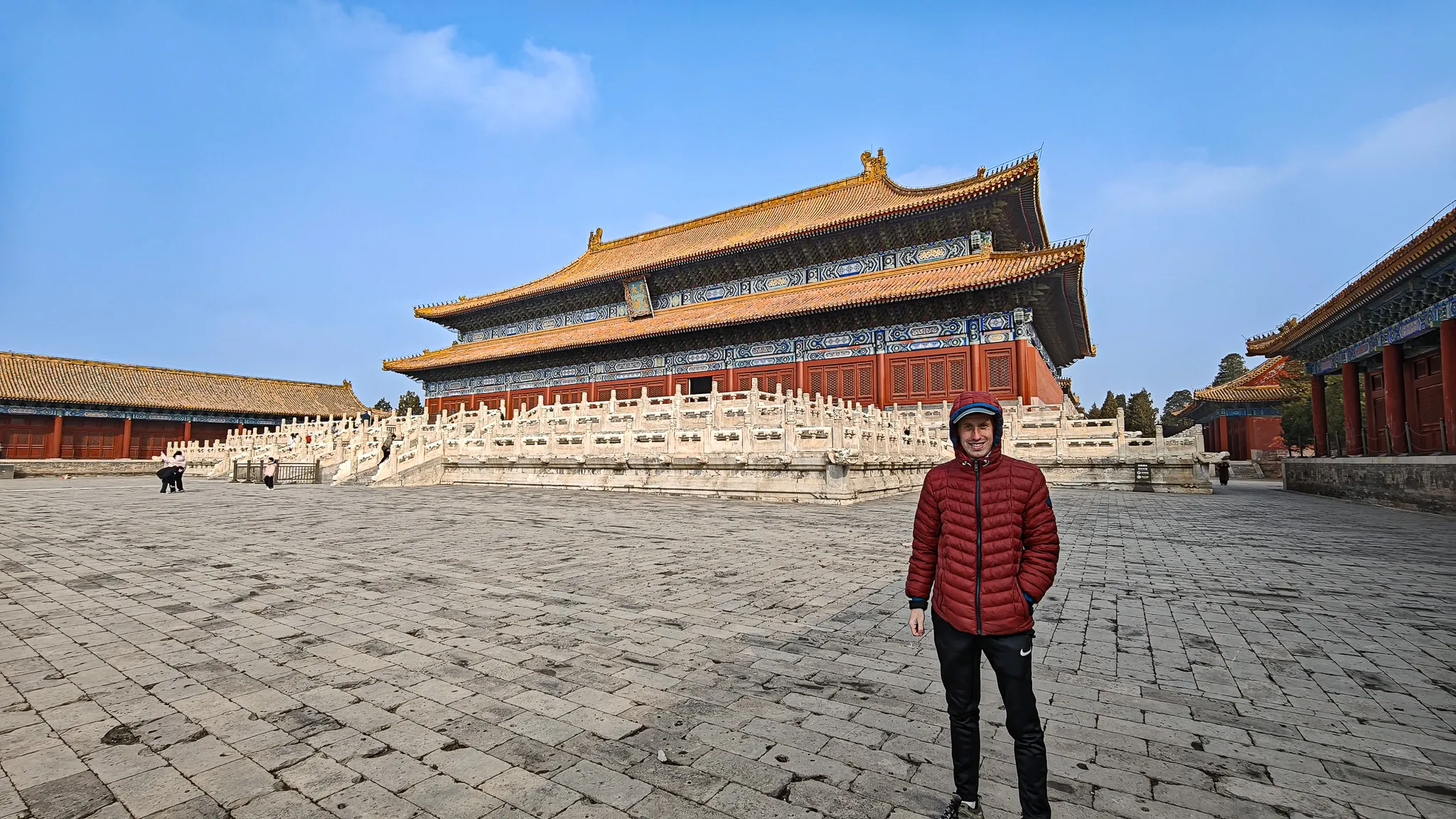
The scale is deliberate. 980 buildings across 72 hectares, every courtyard designed to make the visitor feel small and the emperor feel eternal. The marble balustrades are carved with dragons. The golden roofs shine even under winter cloud. The Hall of Supreme Harmony — the largest wooden structure in China — sits at the top of a triple-tiered marble terrace, and when you stand before it, you understand exactly what absolute power was supposed to look like.
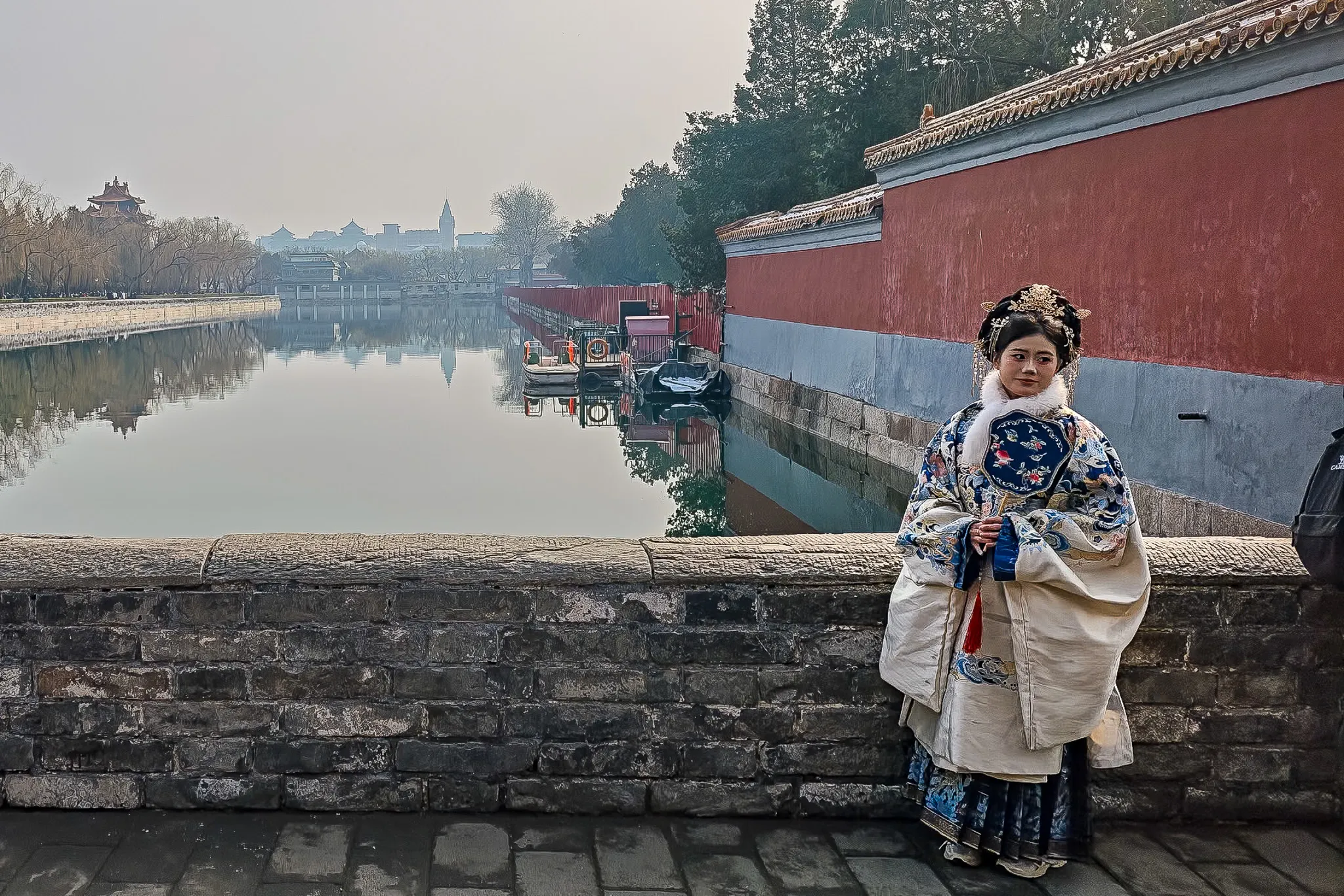
Outside the moat, a woman posed in a rented Qing dynasty costume — flowing silk robes, elaborate headdress, the works. It’s become a thing in Beijing: tourists dress up as empresses and concubines, then photograph themselves against the red walls and watchtowers. History as costume party. I liked it. The emperors would have been horrified, which makes it even better.
Beijing — The Last Streets
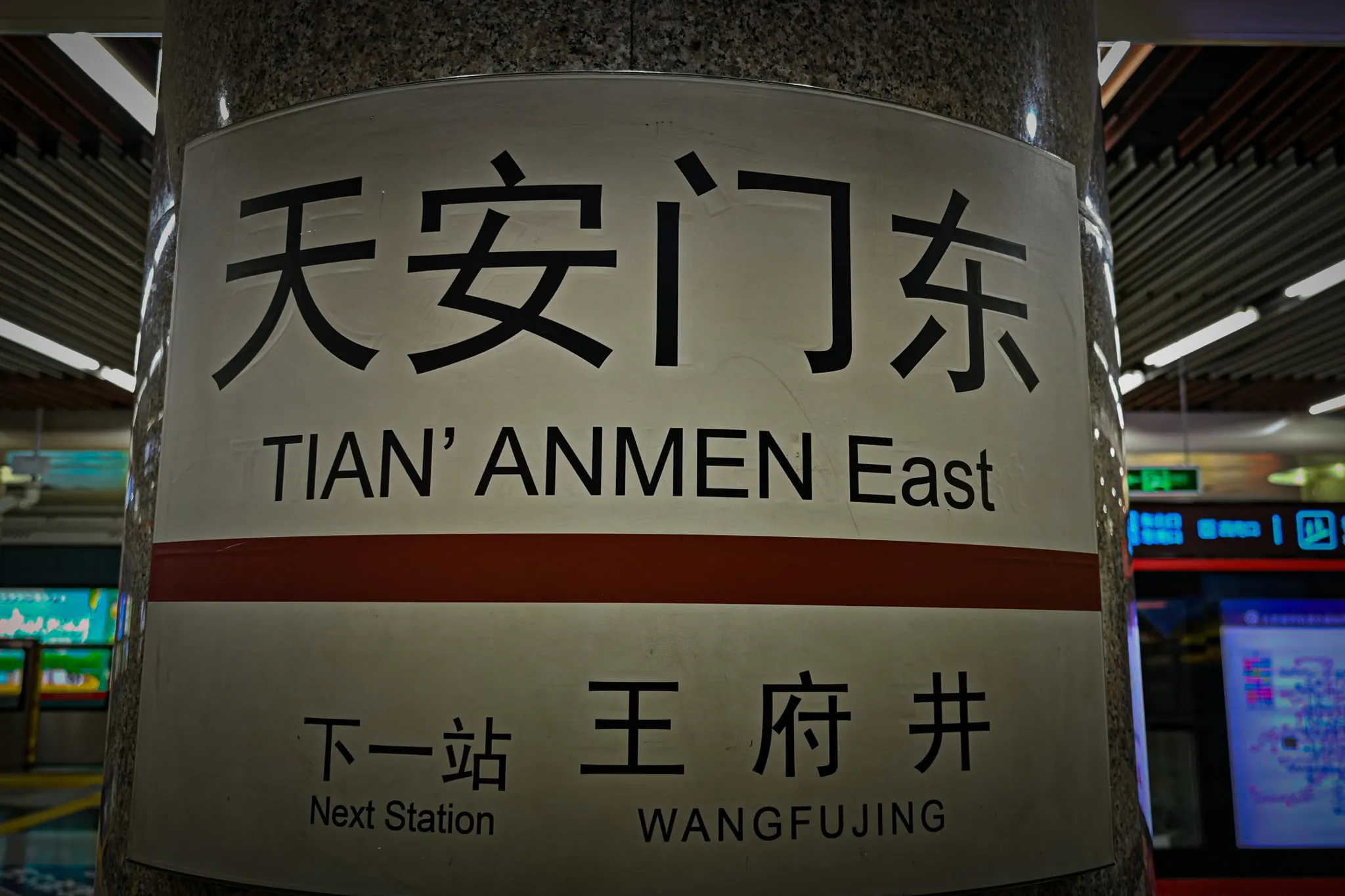
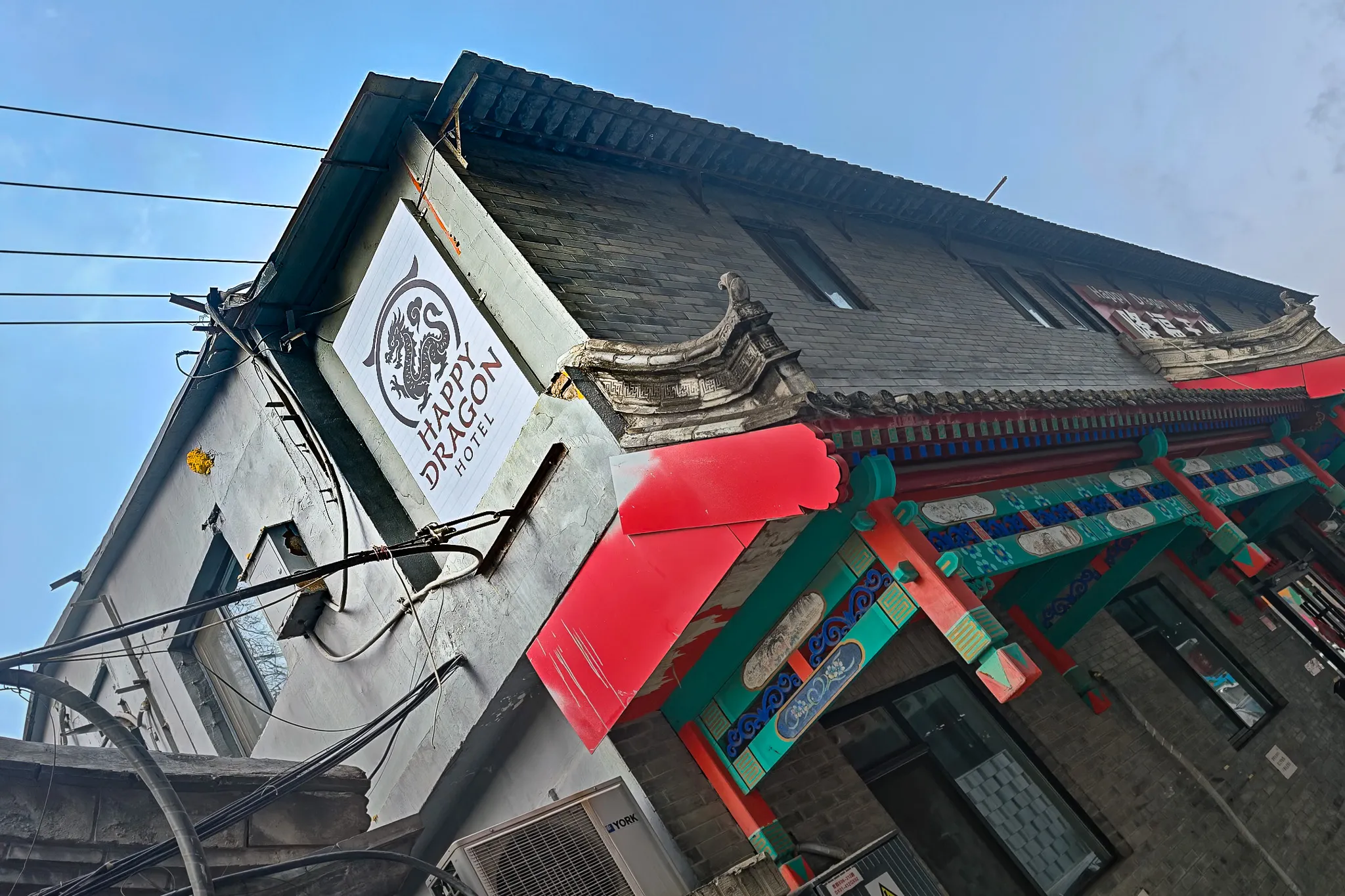
From the Forbidden City, I took the metro from Tiananmen East — past the next stop at Wangfujing, where the tourist crowds thin and the real city begins. My hostel was the Happy Dragon, tucked inside a hutong — one of Beijing’s vanishing traditional alleyways, grey brick walls enclosing courtyard houses that have survived centuries of dynasty change, revolution, and development.
The hutongs are disappearing. Every year more are demolished for apartment blocks and shopping malls. The ones that remain feel like time capsules — narrow lanes where old men play chess on folding tables and bicycles lean against walls that were old when the Qing dynasty fell. Staying in one felt like a privilege. It also felt like a goodbye.
Full Circle
In the morning I’d fly home. Back through the time zones, back to the weather, back to the life I’d left five weeks earlier. The trip had started in Dien Bien Phu, in the mountains of northern Vietnam, with a packraft and a half-formed plan to follow the Nam Ou river through Laos. From there: trains, buses, ferries, night buses, tuk-tuks, and one very memorable bamboo raft. Vietnam to Laos to Thailand to Taiwan to Hong Kong to China.
I didn’t find enlightenment. I didn’t find myself. I found good food, cold beer, warm people, and the persistent sense that the world is much larger, much stranger, and much kinder than the news would have you believe. That’s enough.
On On.