
Day 1 on the Nam Ou
Villages &
Petanque
11 kilometres downstream. A village we’d never heard of. Beer Laos, a game of boules, and children who followed us like ducklings.
Setting Off
The First Paddle
We set off from Muang Khua at 10am — two packrafts, two paddles, and everything we owned strapped to the boats. The Nam Ou was wide and slow here, green hills rising on both sides, the water the colour of milky jade. No other boats. No sound except the paddle and the current.
Eleven kilometres doesn’t sound far. In a packraft, drifting with the river, it takes most of a day. You stop to look at things. You pull over when a village appears. You forget that you had a plan.
The Village
Ban Haddean
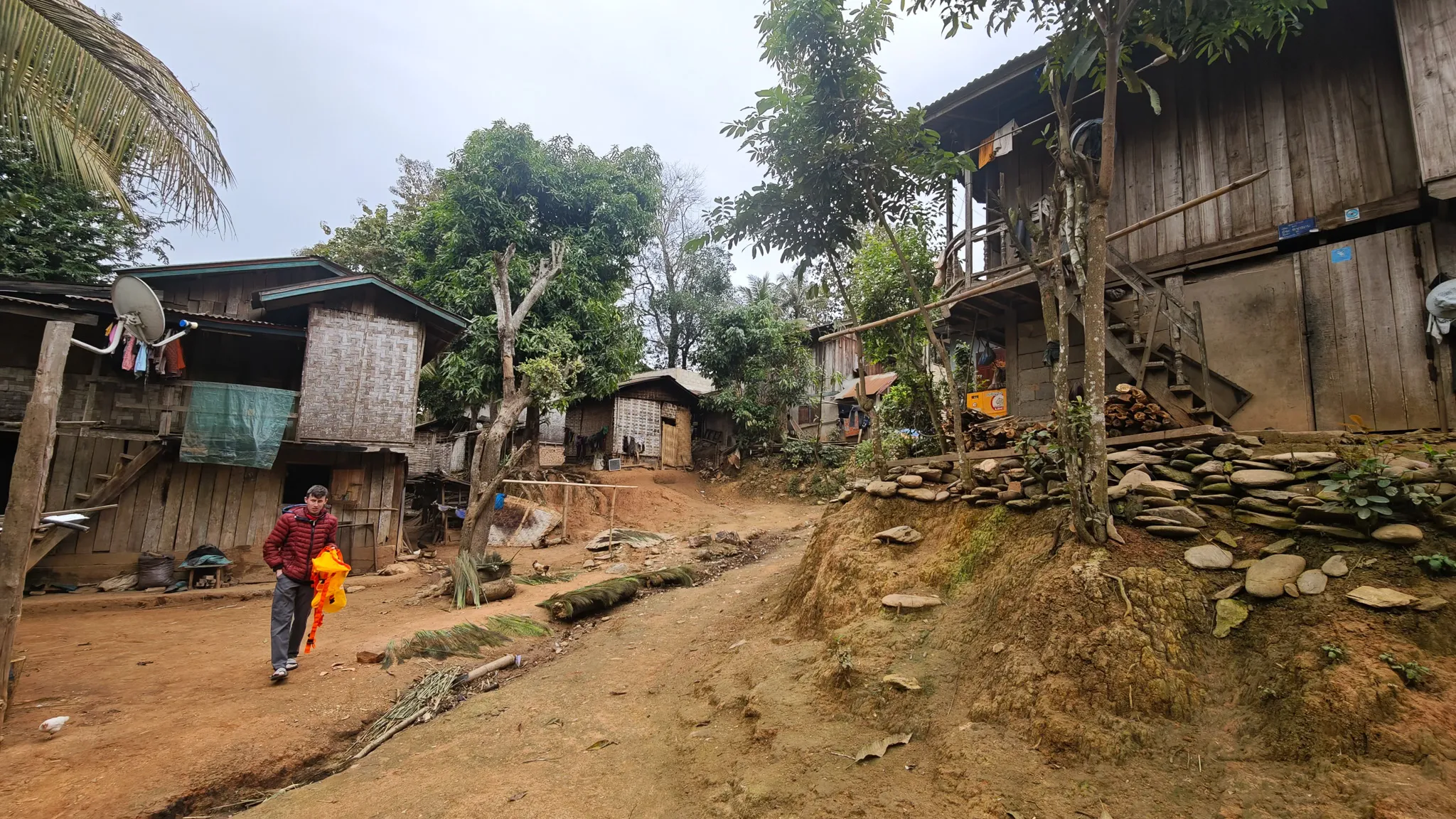
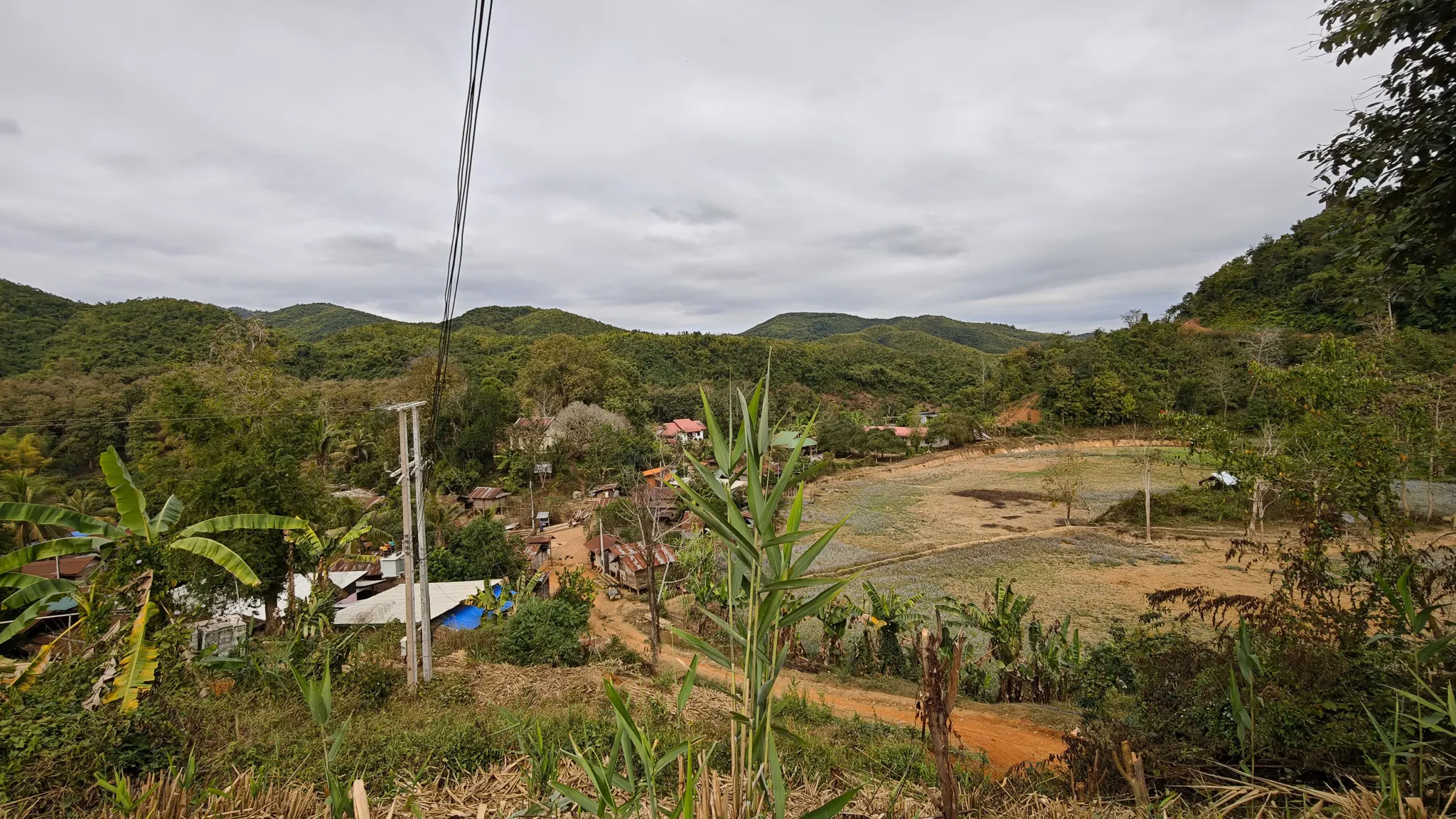
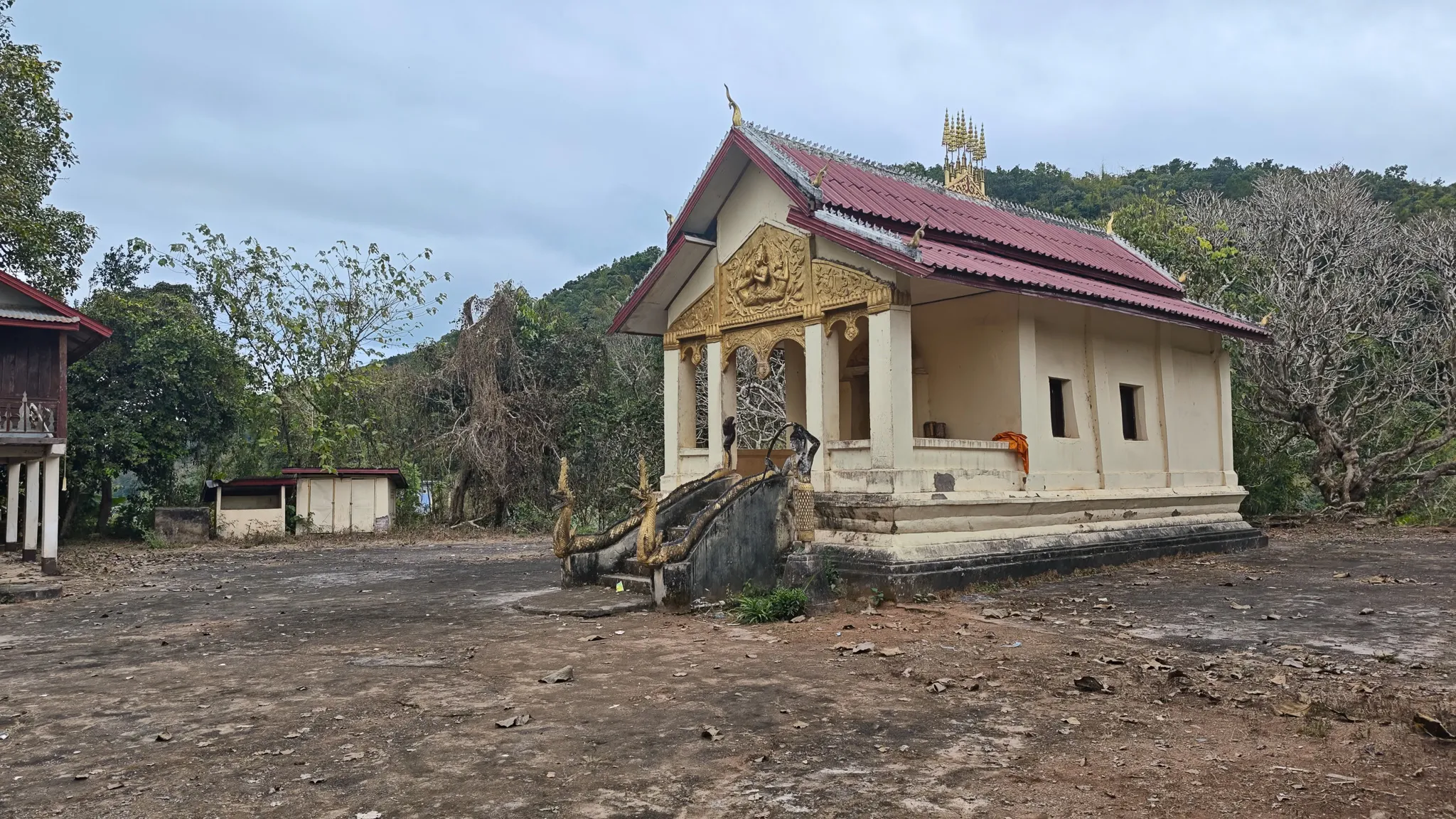
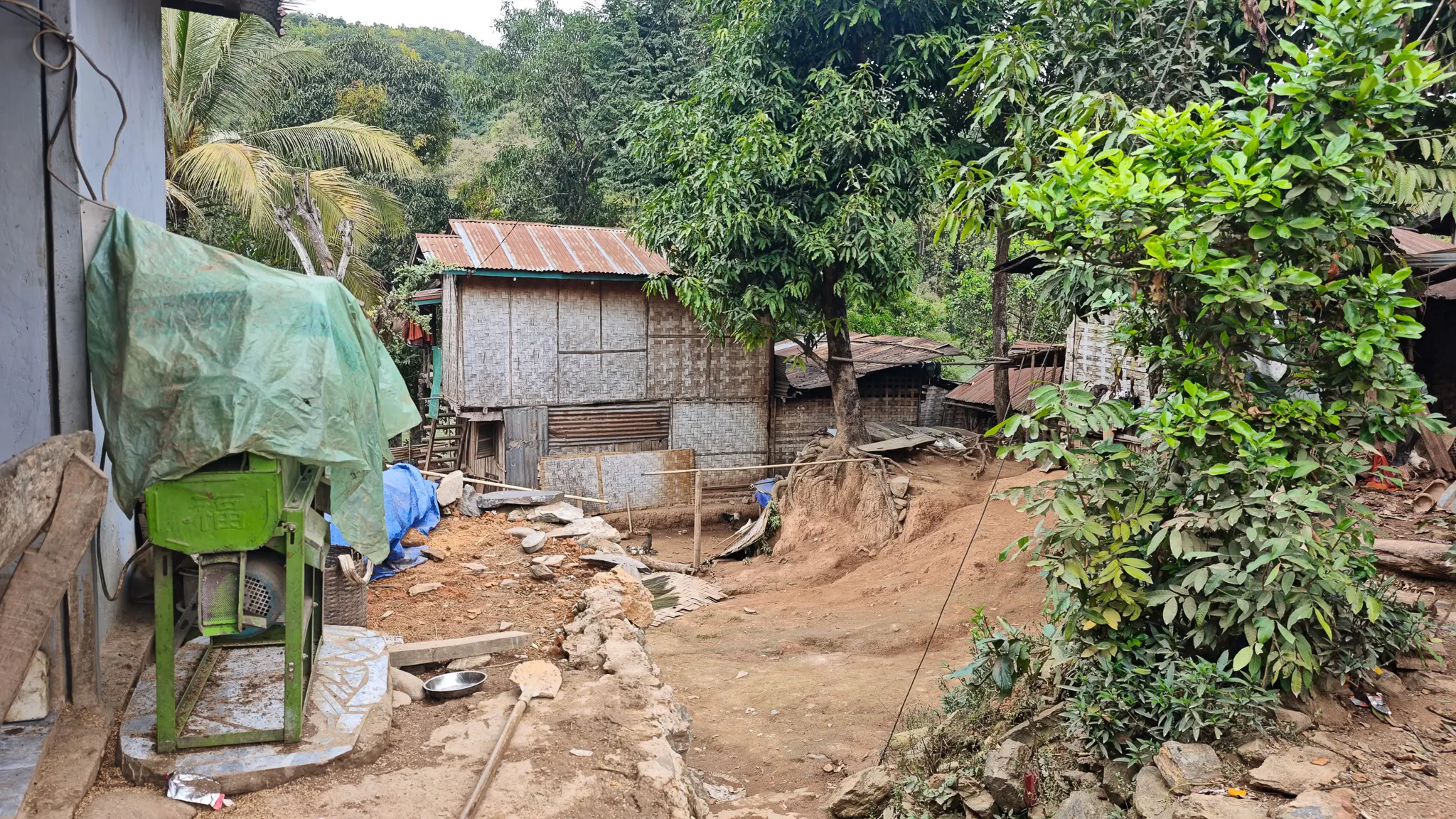
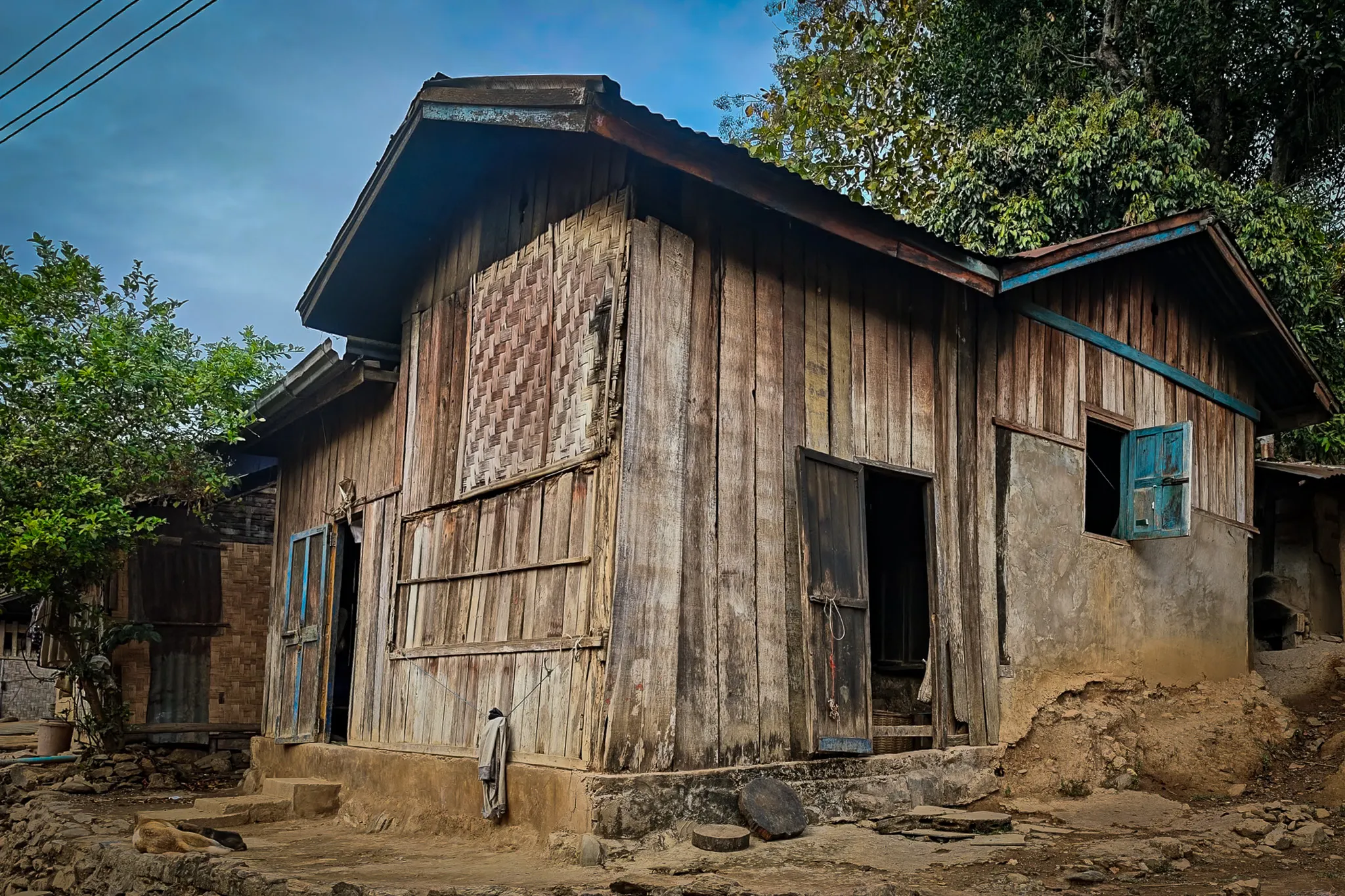
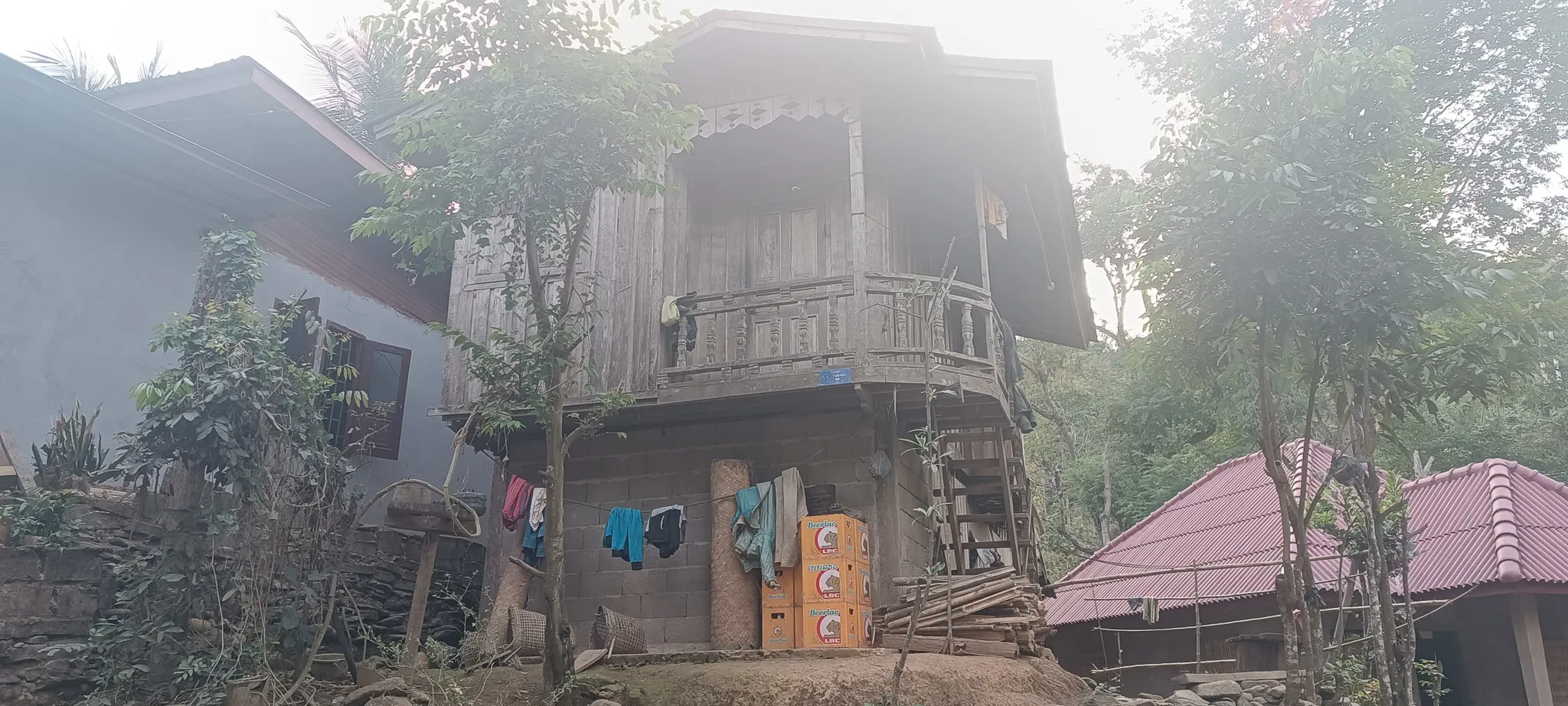
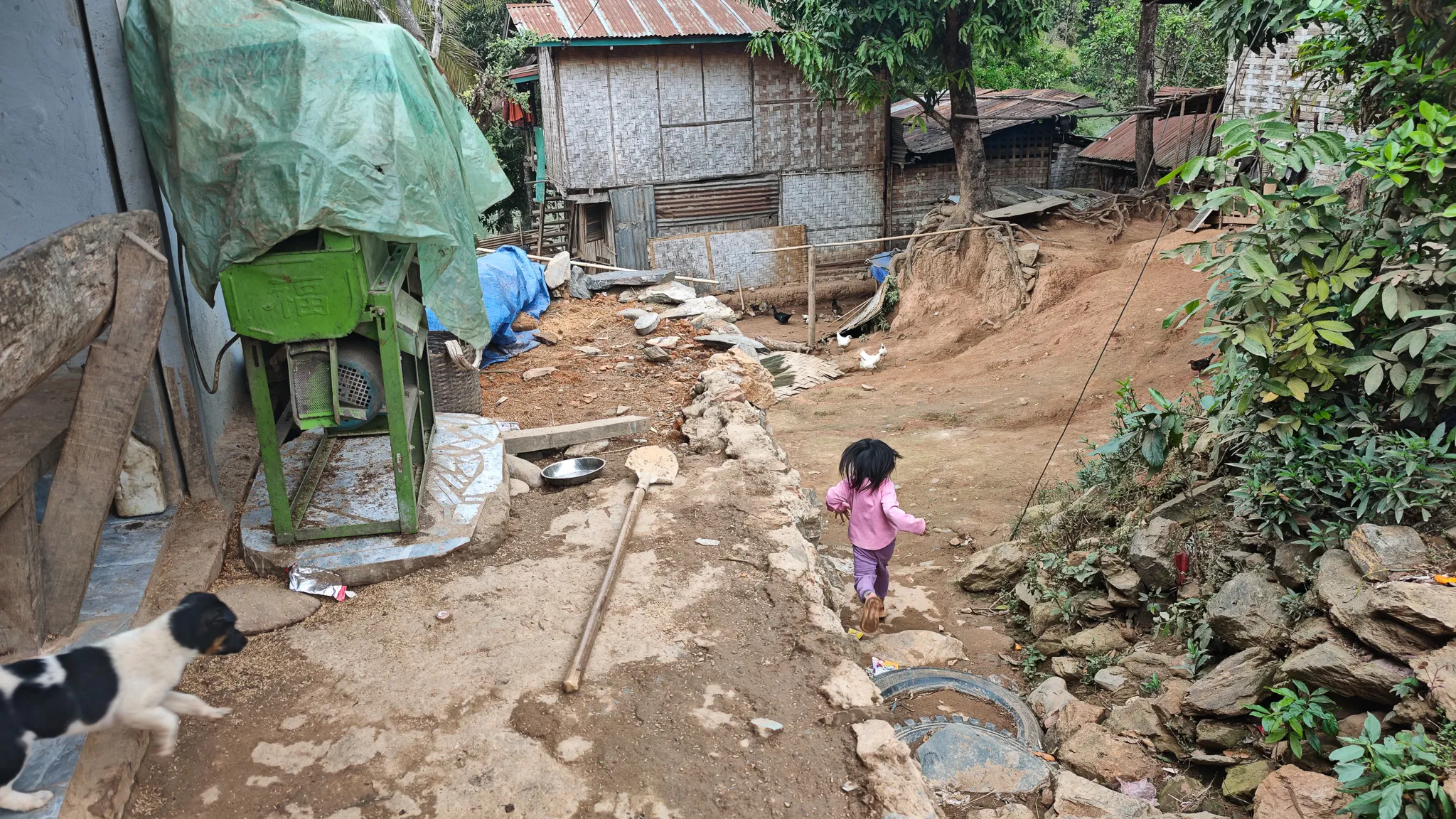
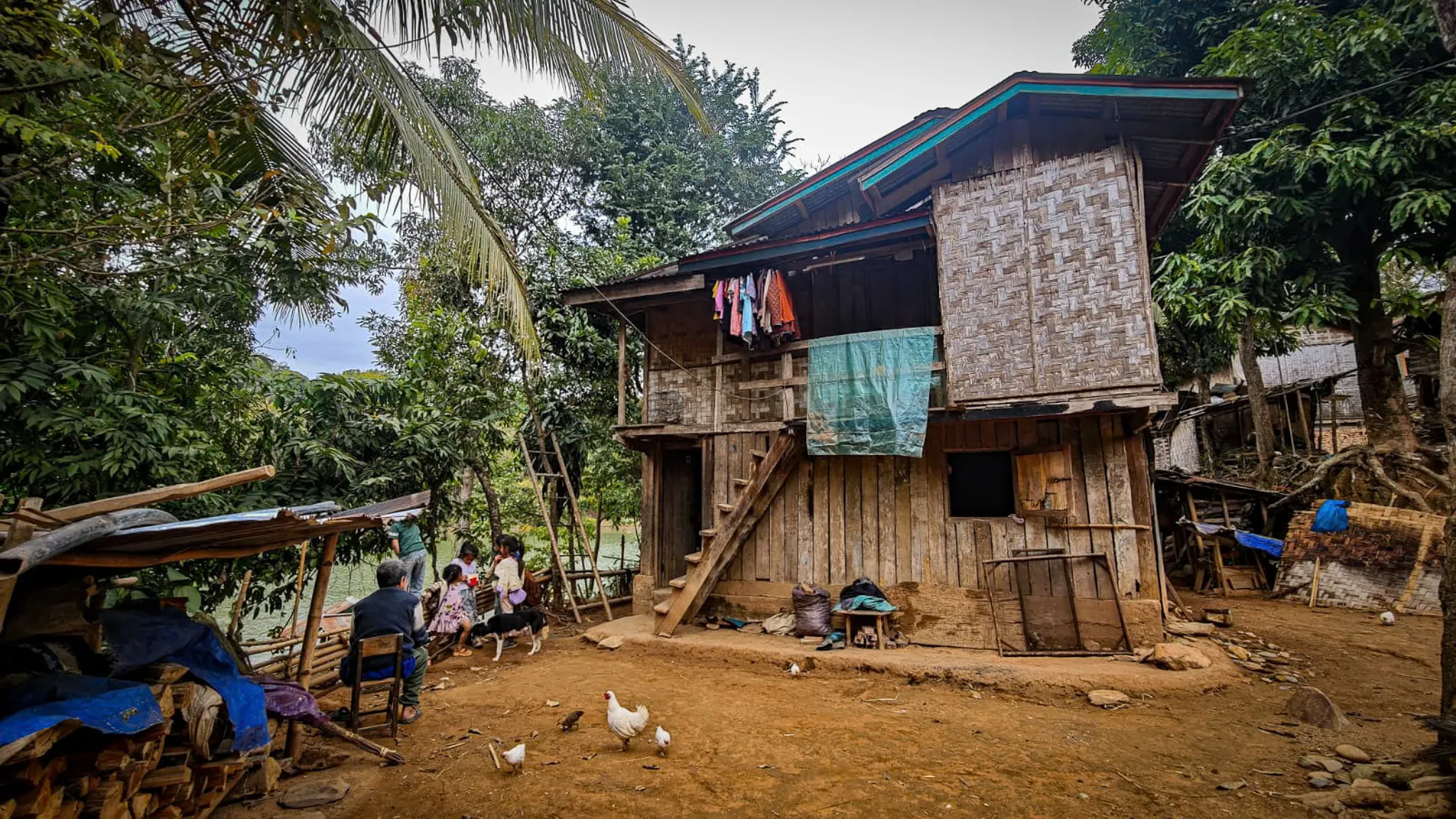
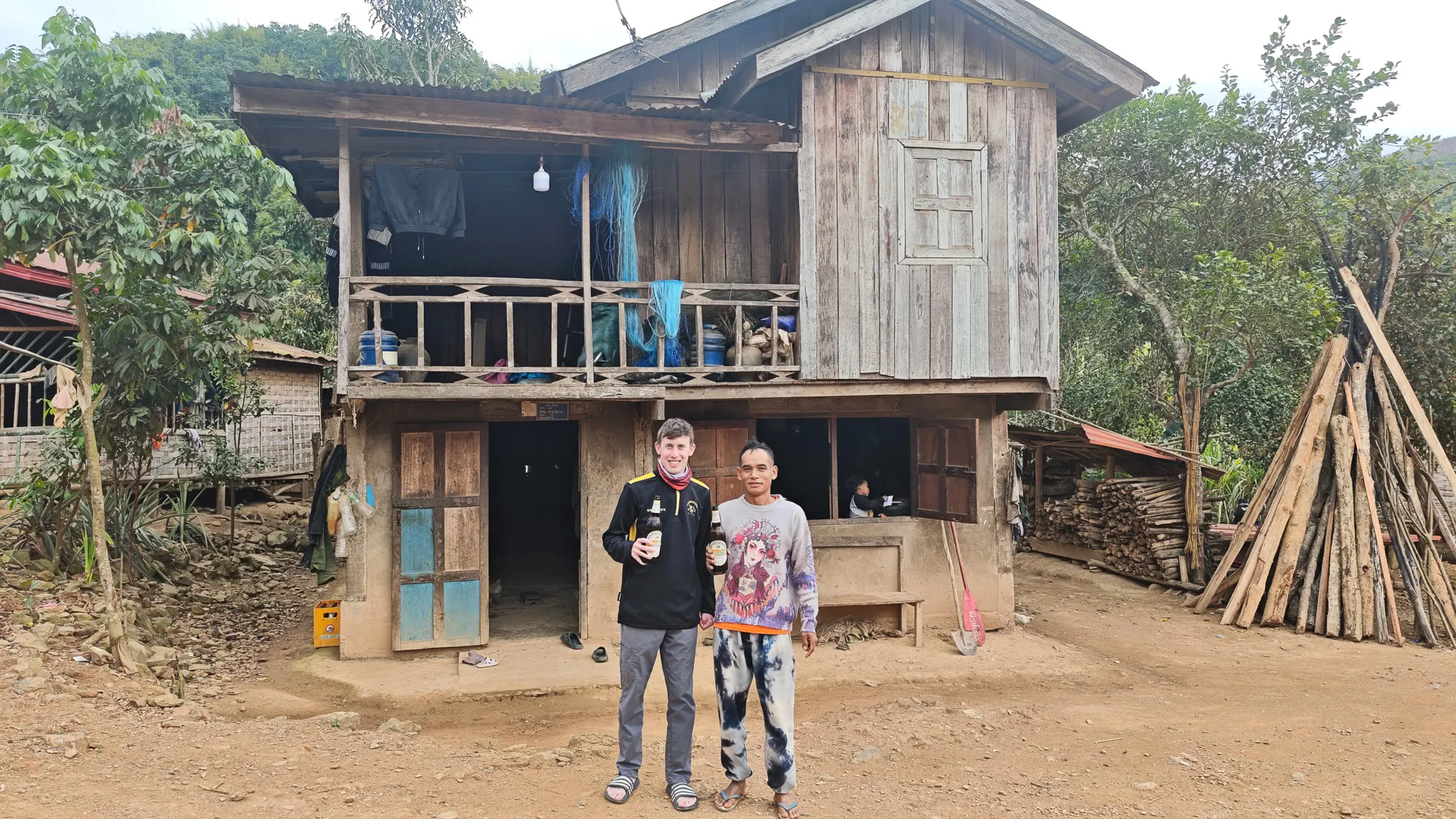
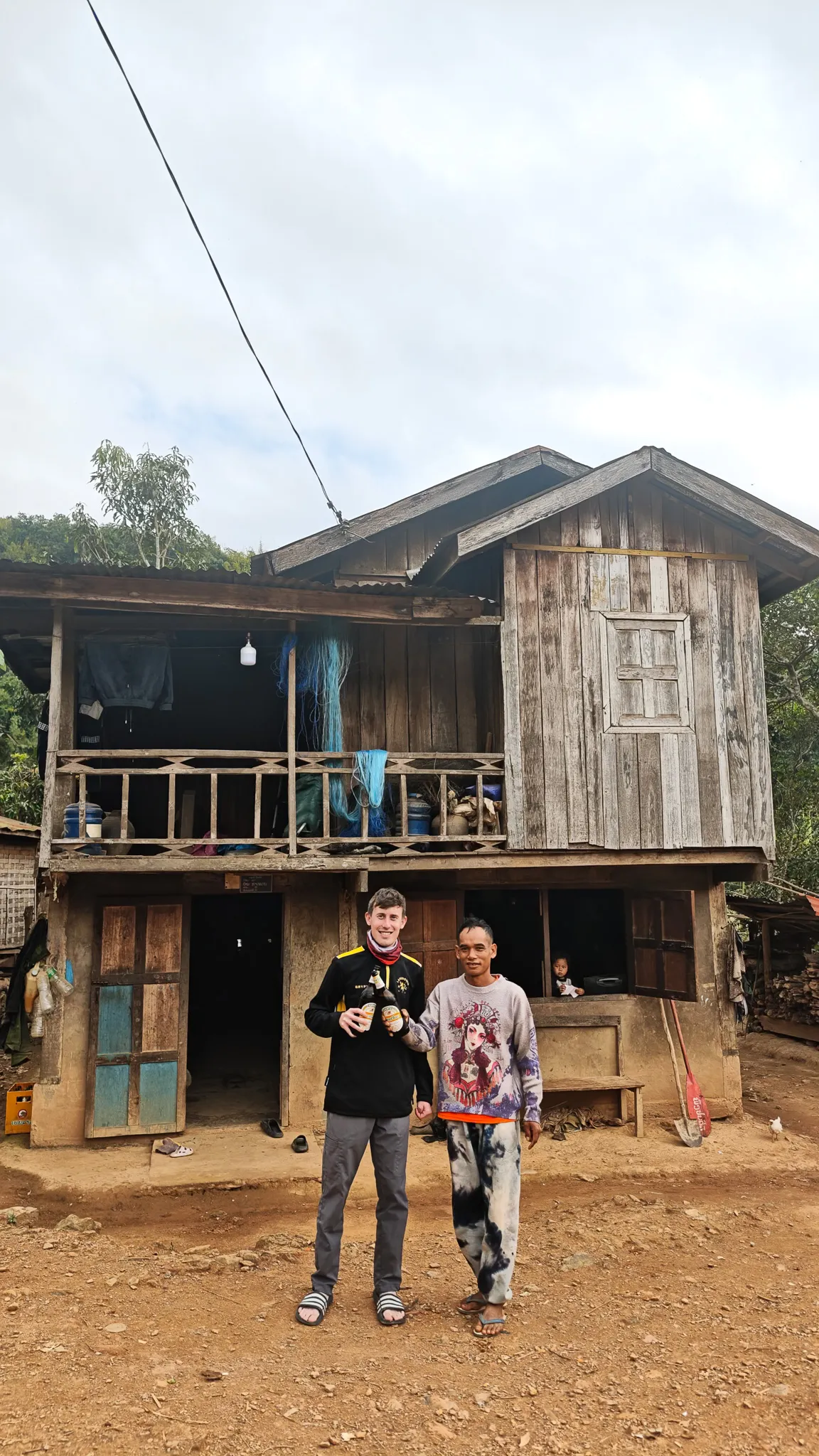
We paddled around a bend and there it was — a village of wooden stilt houses on the riverbank, smoke rising from somewhere, chickens everywhere. Ban Haddean sits in Khua District, Phongsaly Province, in the far north of Laos. It doesn’t appear on most maps. The Danish Red Cross built the primary school. Helvetas, the Swiss development agency, helped with the forestry management. The World Bank has a project sign near the entrance. The rest — the houses, the temple, the health centre — the villagers built themselves.
They offered us accommodation without us asking. Just like that. A spare room in a stilt house, a mat on the floor, and a view of the river through the wooden slats.
People
The Ducklings
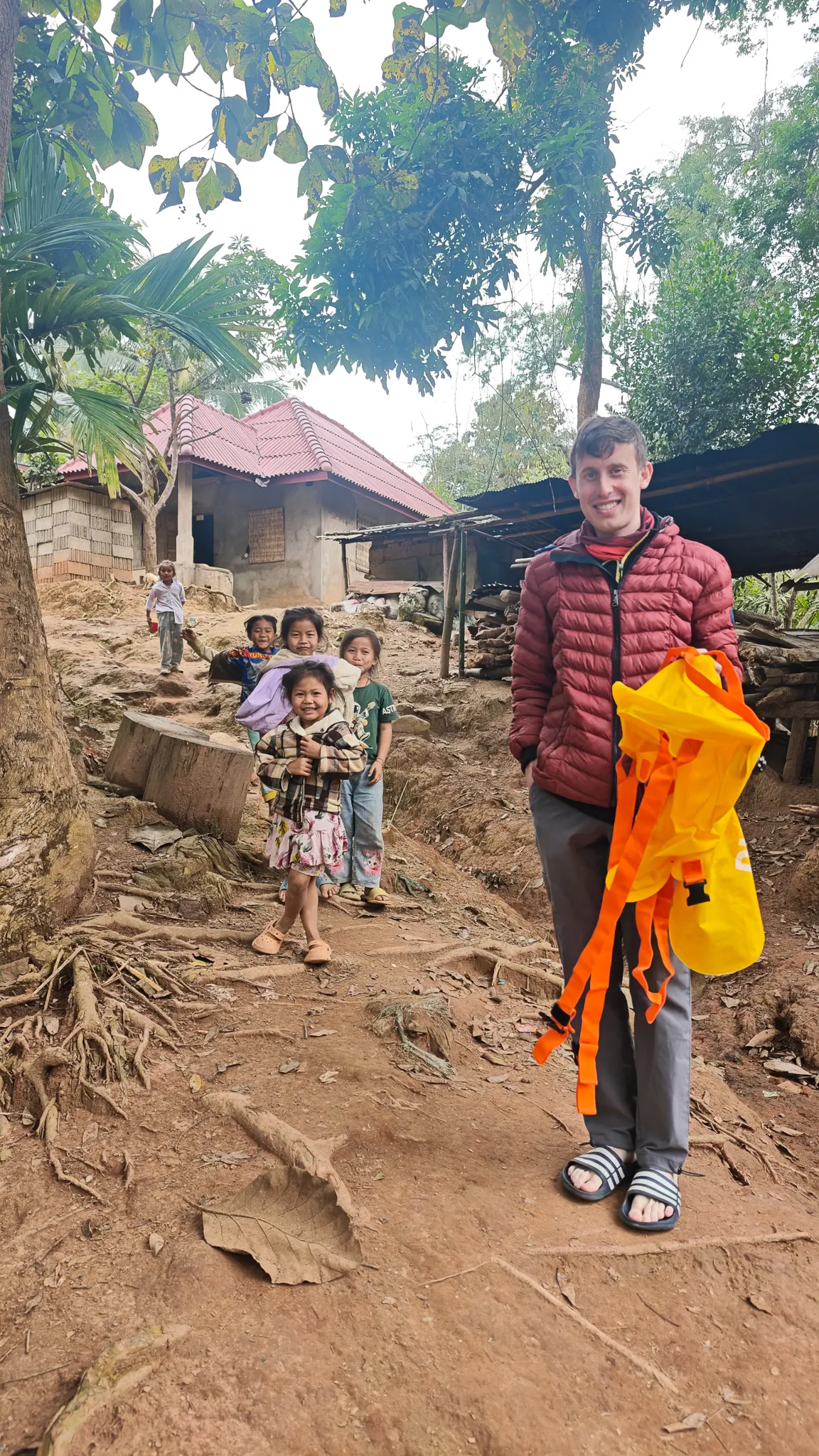
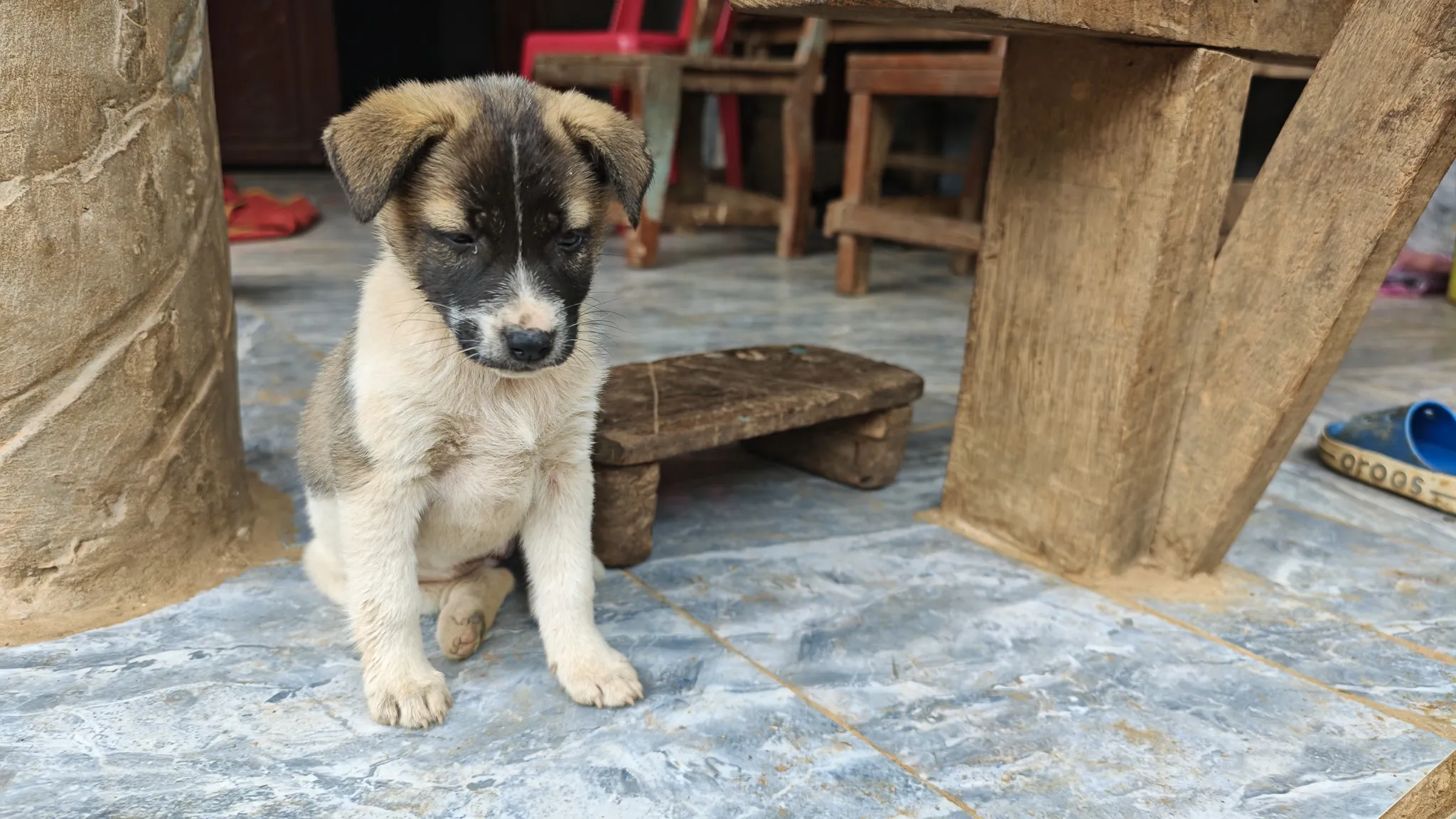
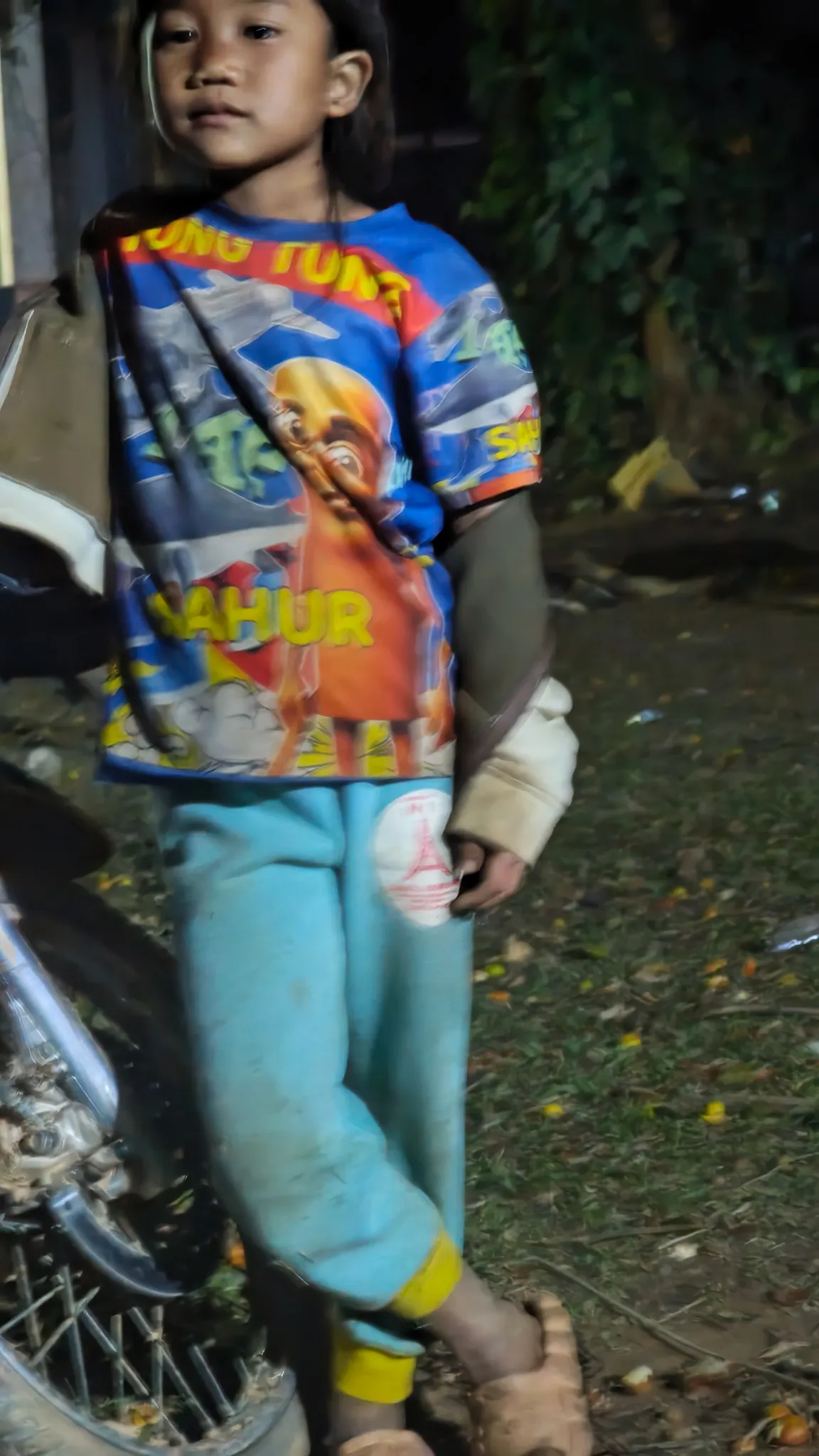
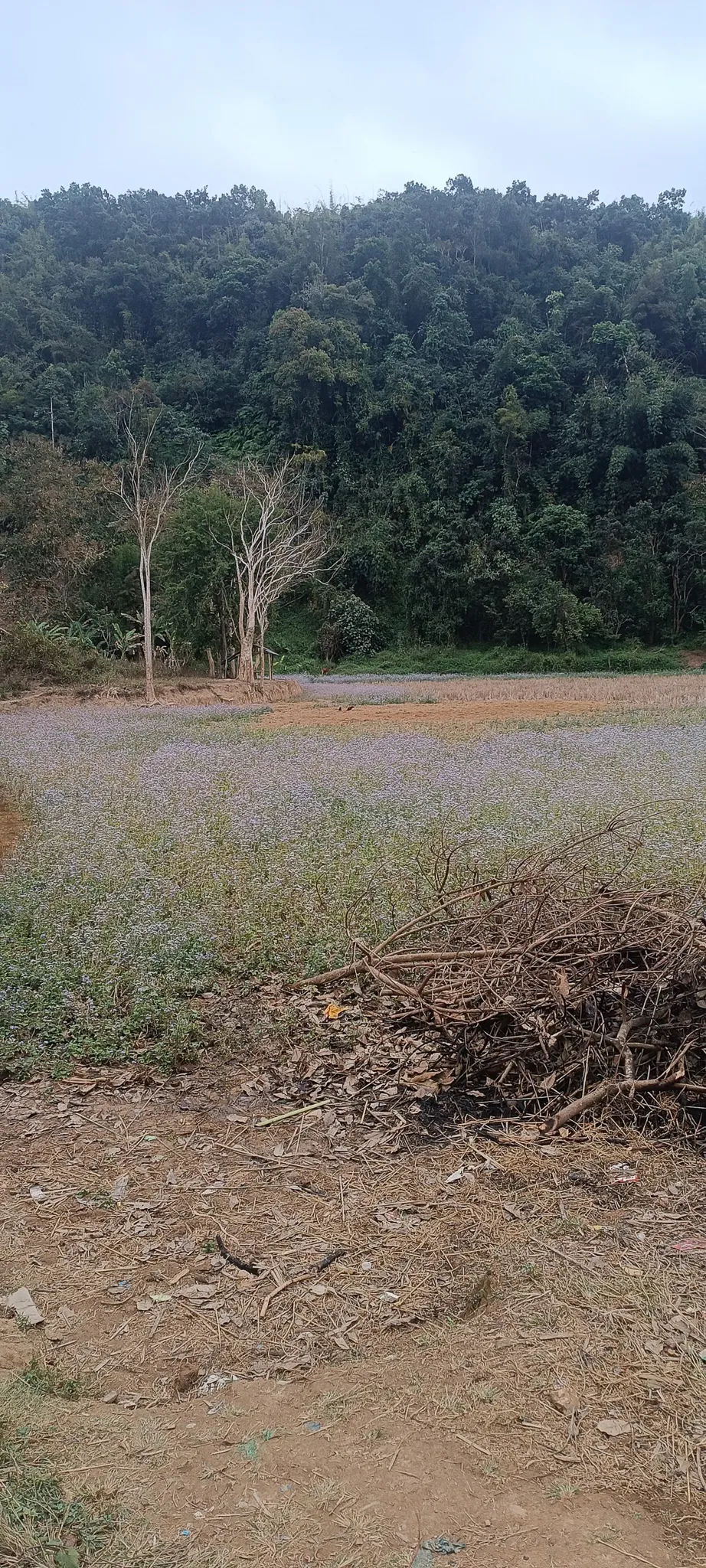
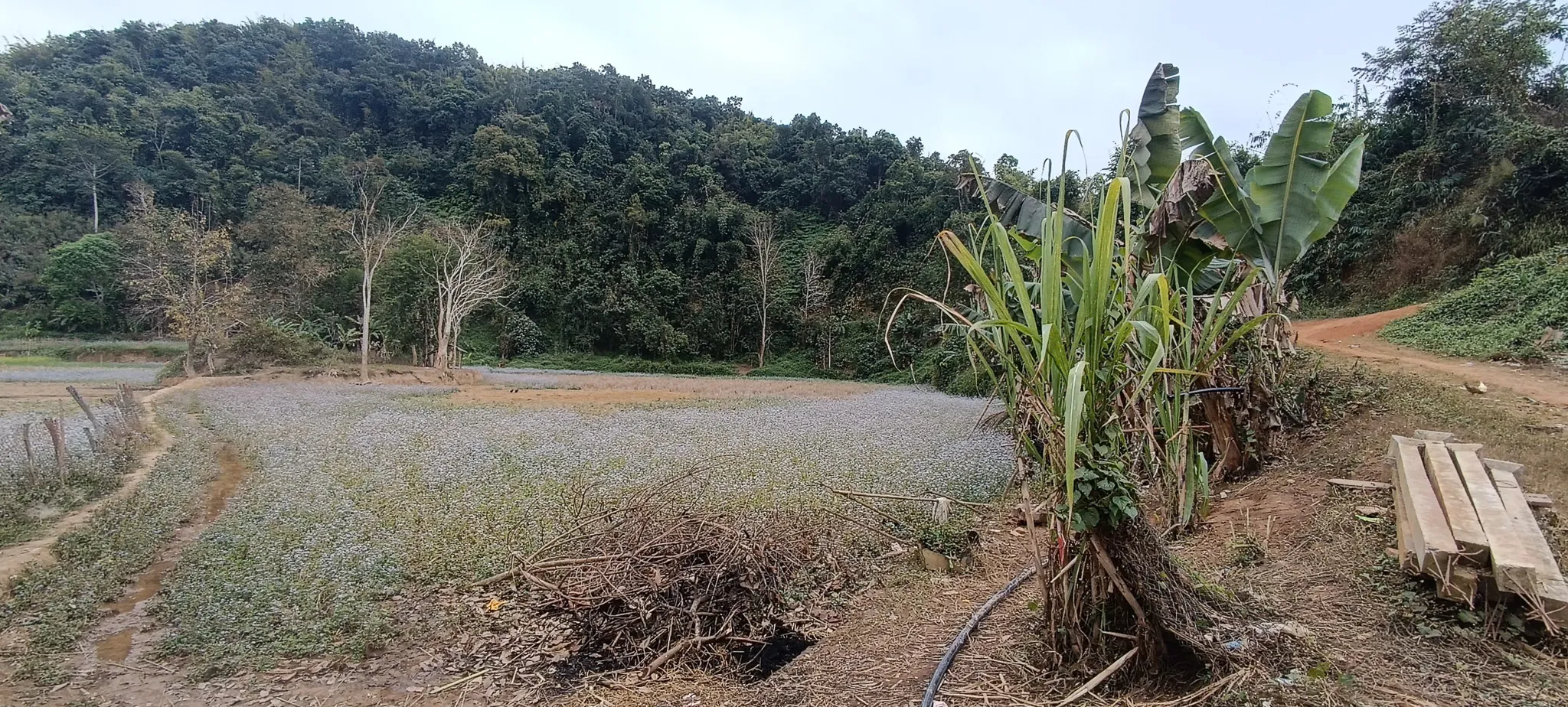
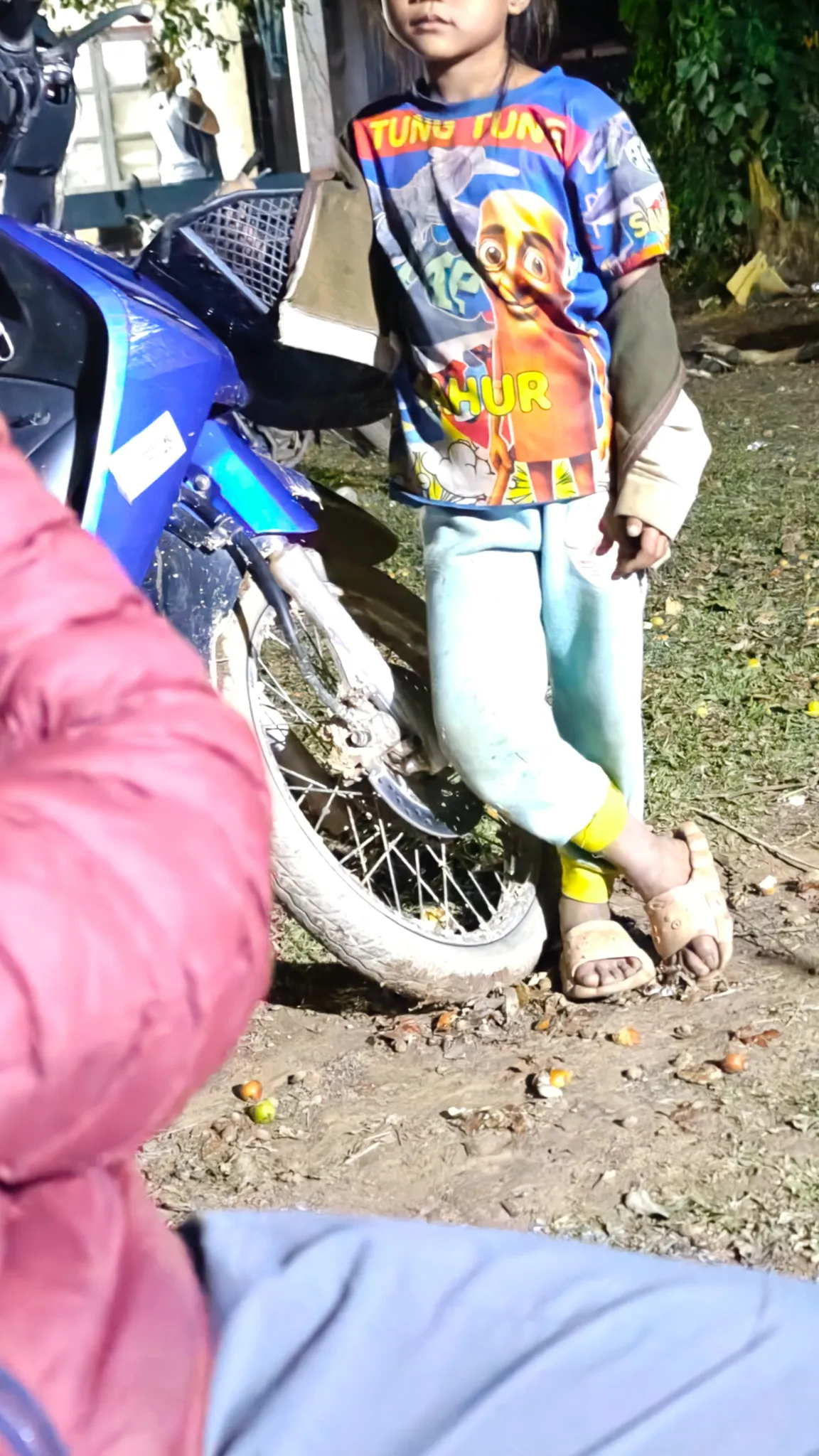
The children found us within minutes. They followed us everywhere — through the village paths, past the temple, along the flower fields — like ducklings trailing a particularly confused mother duck. They didn’t speak English. We didn’t speak Lao. It didn’t matter. A puppy joined the procession at some point and nobody questioned it.
Village Life
Health Centre, School & Stairways Made of Tyres
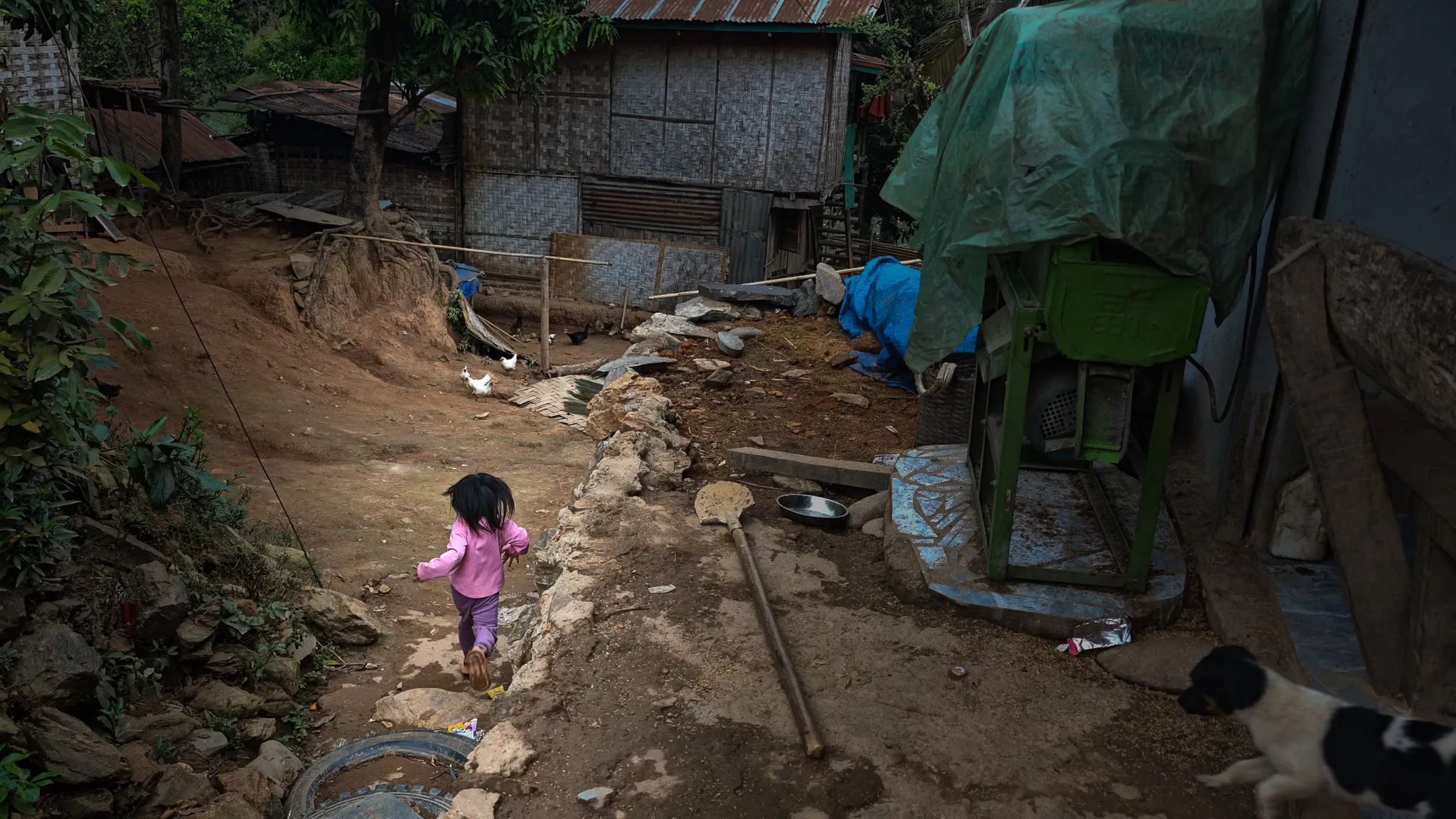
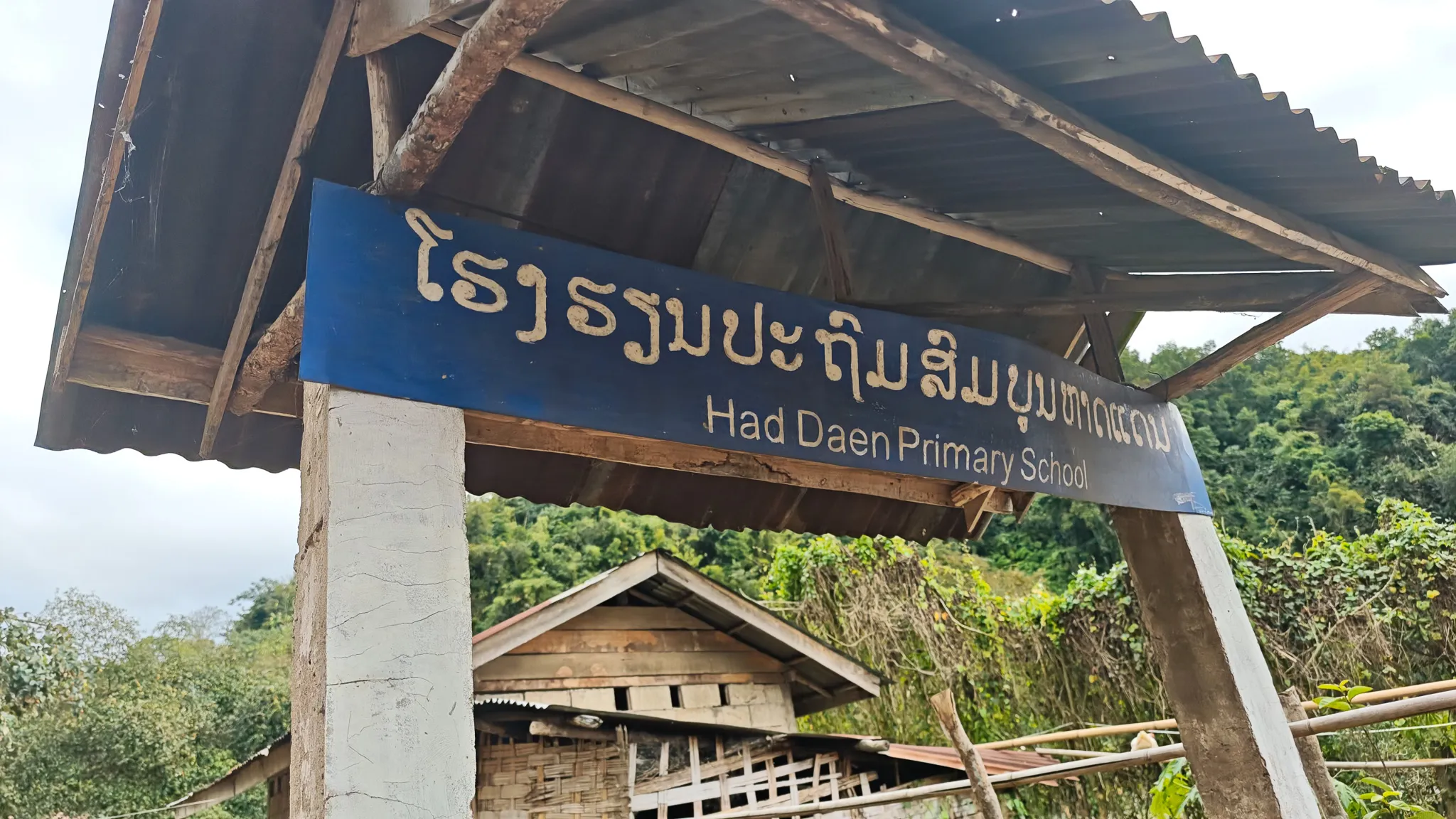
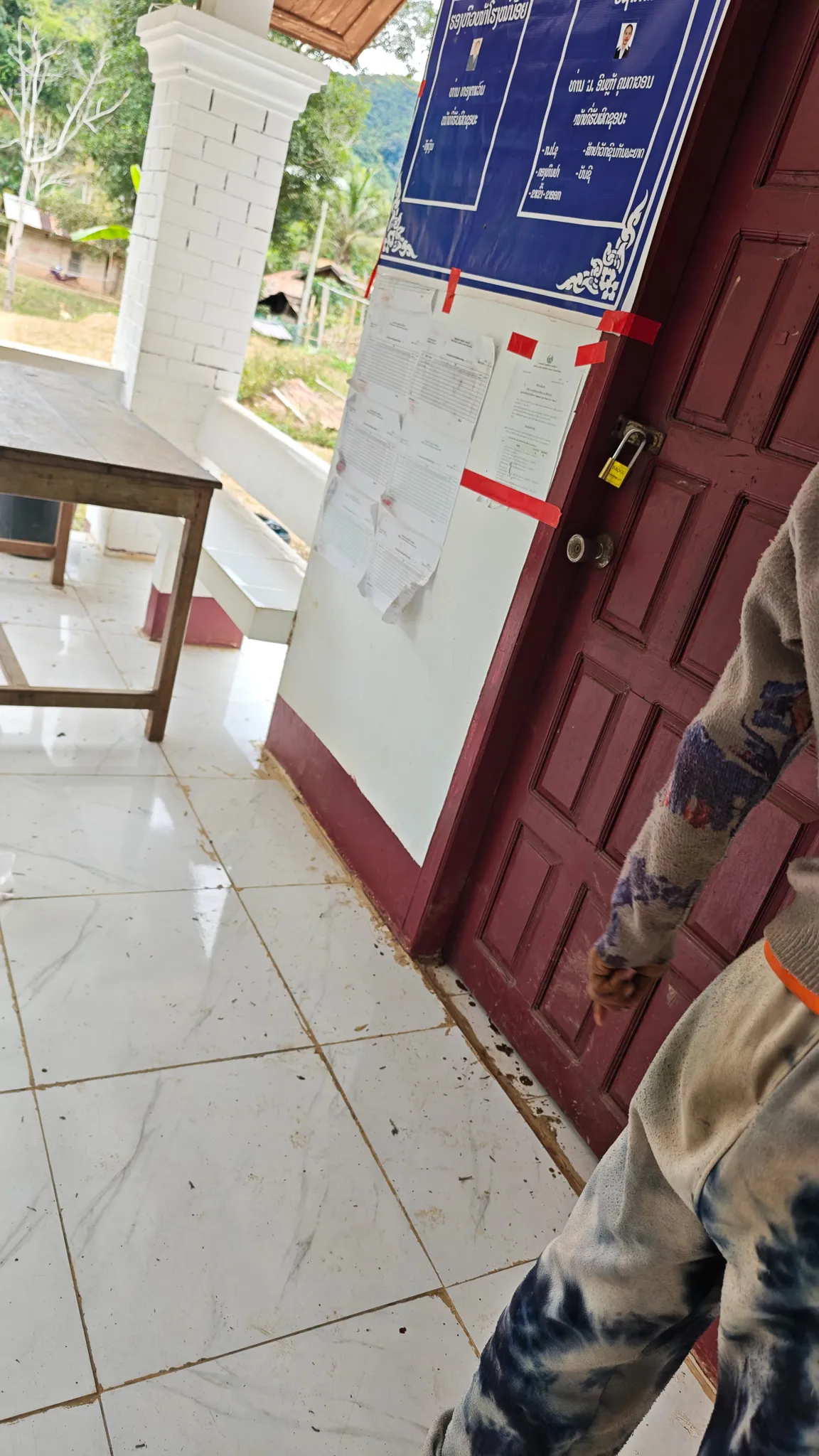
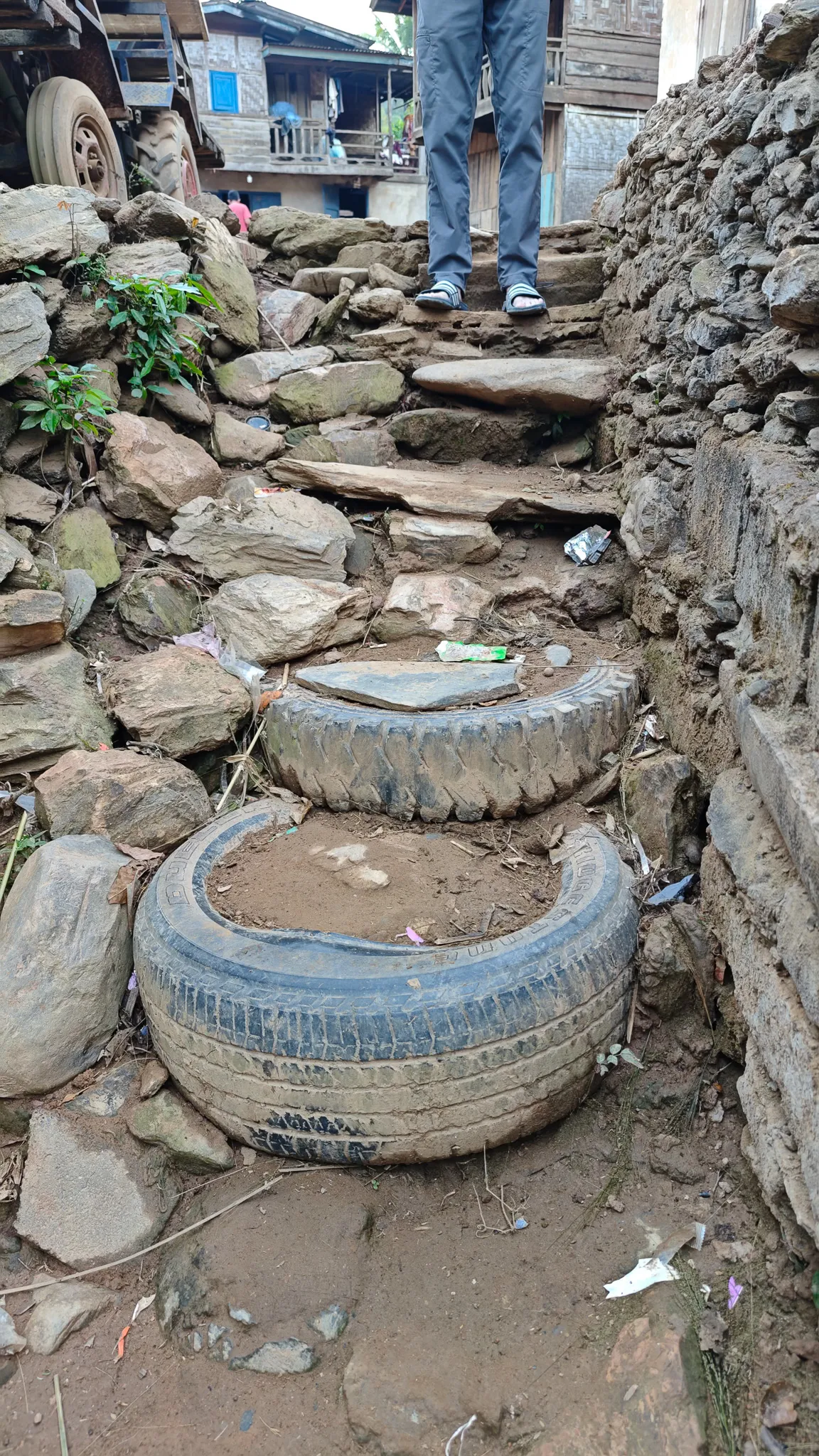
Ban Haddean is small but it has what matters — a primary school (two signs, one in Lao, one from the Danish Red Cross), a health centre with a hand-drawn map of surrounding villages it serves, and a Buddhist temple. The paths between houses are steep, so the villagers have carved steps out of old tyres and stones — resourceful, practical, and weirdly beautiful.
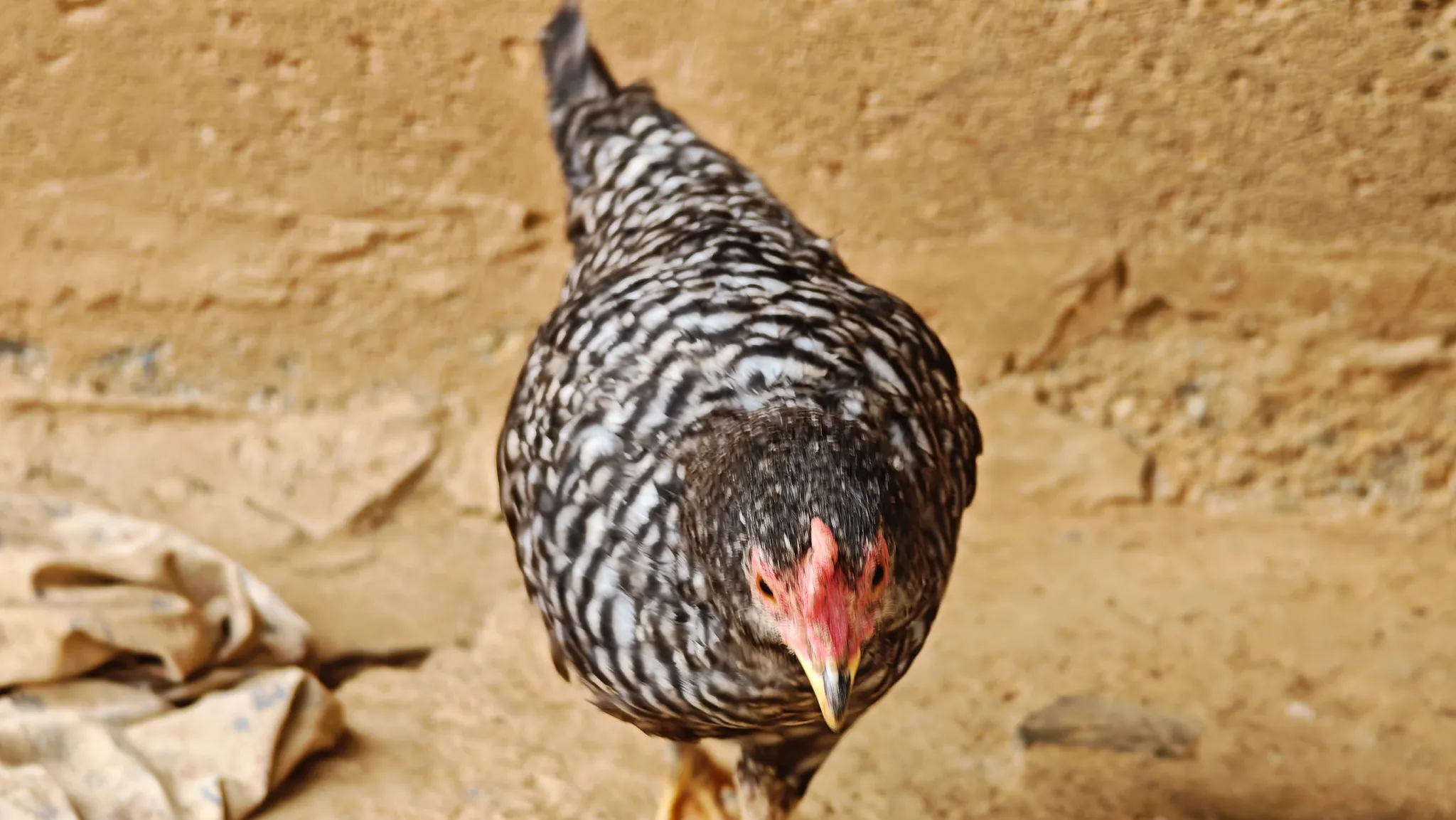
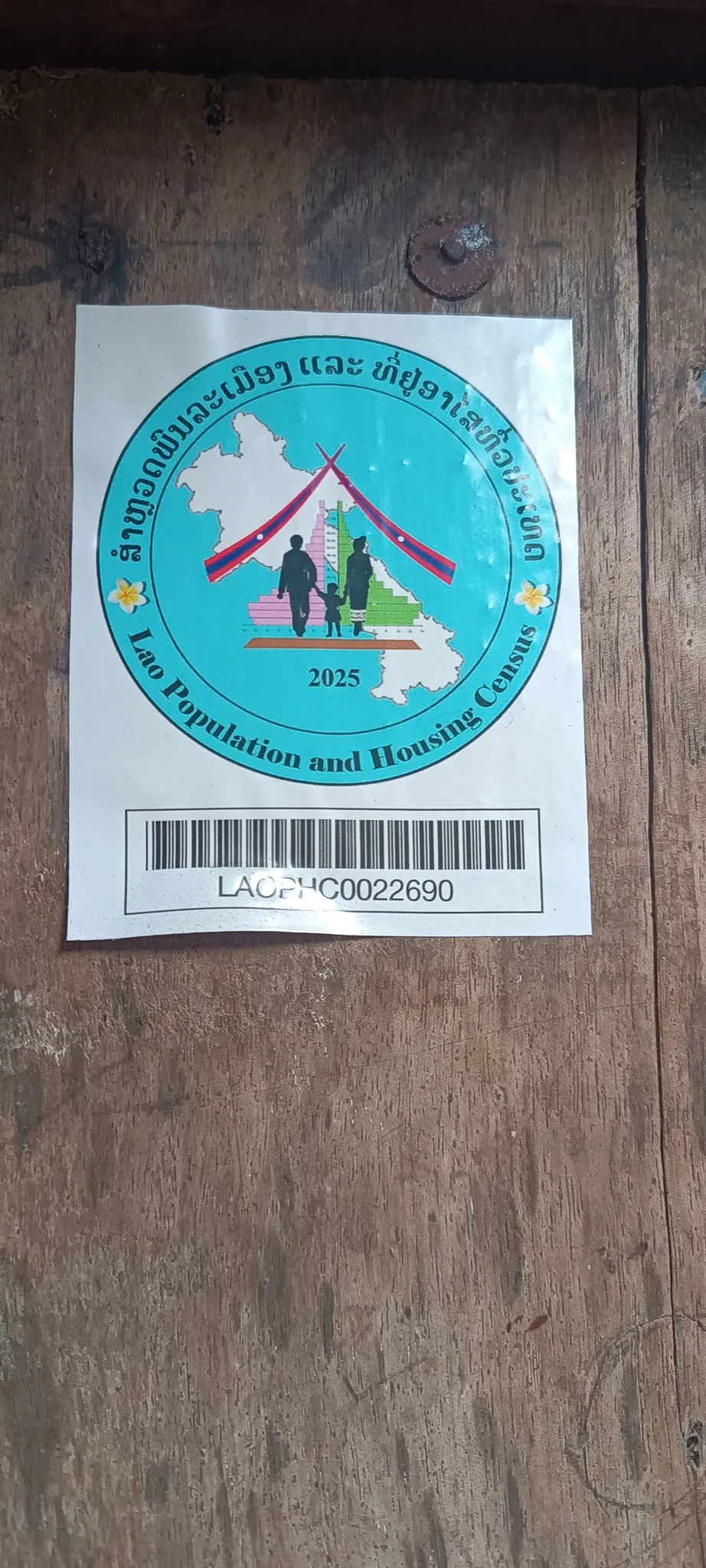
Free-range chickens share the space with dogs, ducks, and the occasional motorbike. A 2025 Lao population census sticker on one door was the most modern thing in sight.
Beer Laos
Drinking with the Host
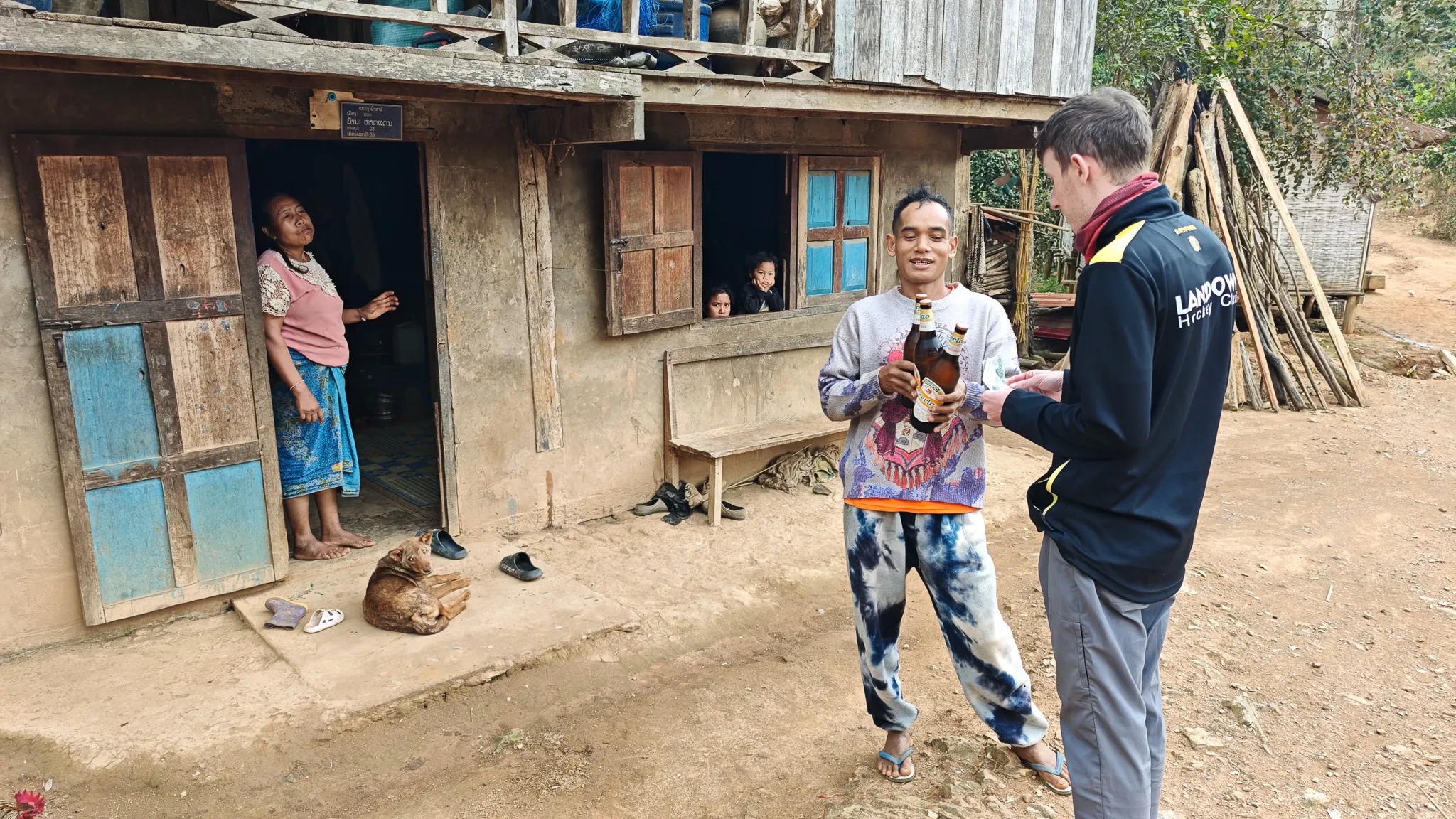
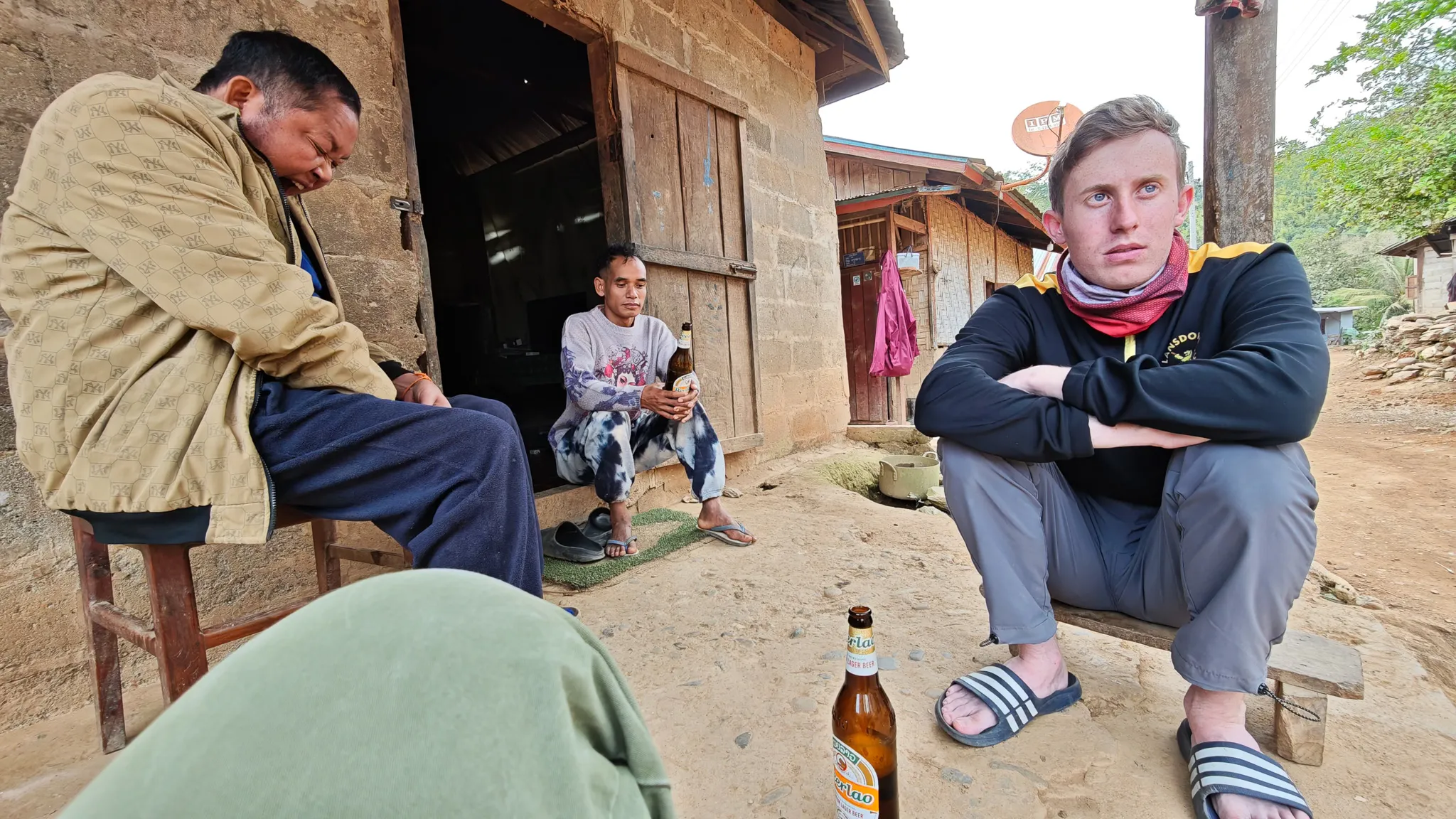
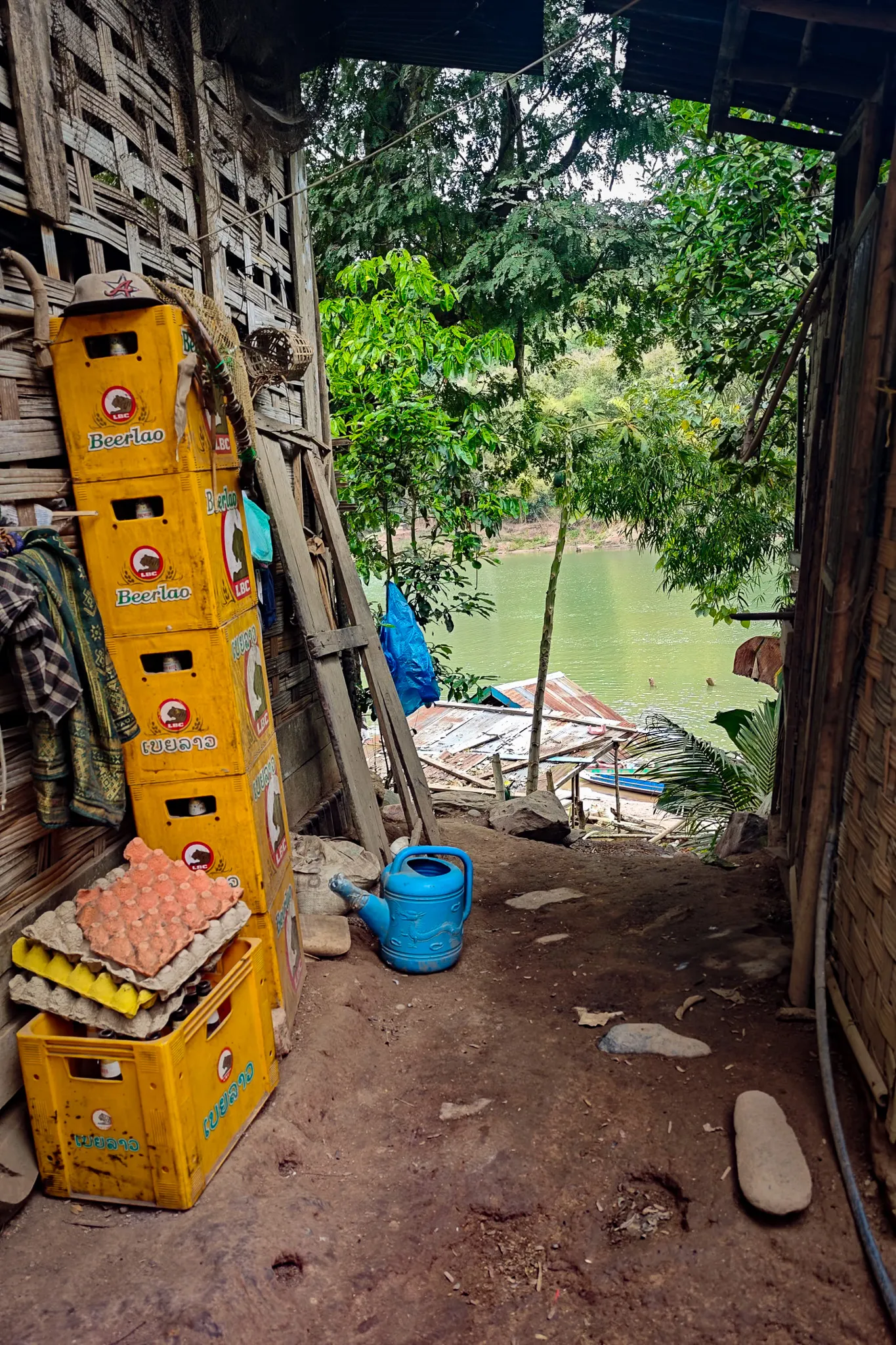
Beerlao is brewed from local jasmine rice with malt imported from France and Belgium — a quiet echo of the colonial relationship, turned into something the Laotians have made entirely their own. It holds 95% of the domestic market. In the villages along the Nam Ou, a crate of Beerlao arrives by longboat, and it doesn’t last long.
Our host cracked open the bottles and we sat on the balcony of the stilt house watching the river. The packraft gear was drying on a line. The chickens were doing their thing below. It was the kind of afternoon that doesn’t need improving.
The Game
Pétanque
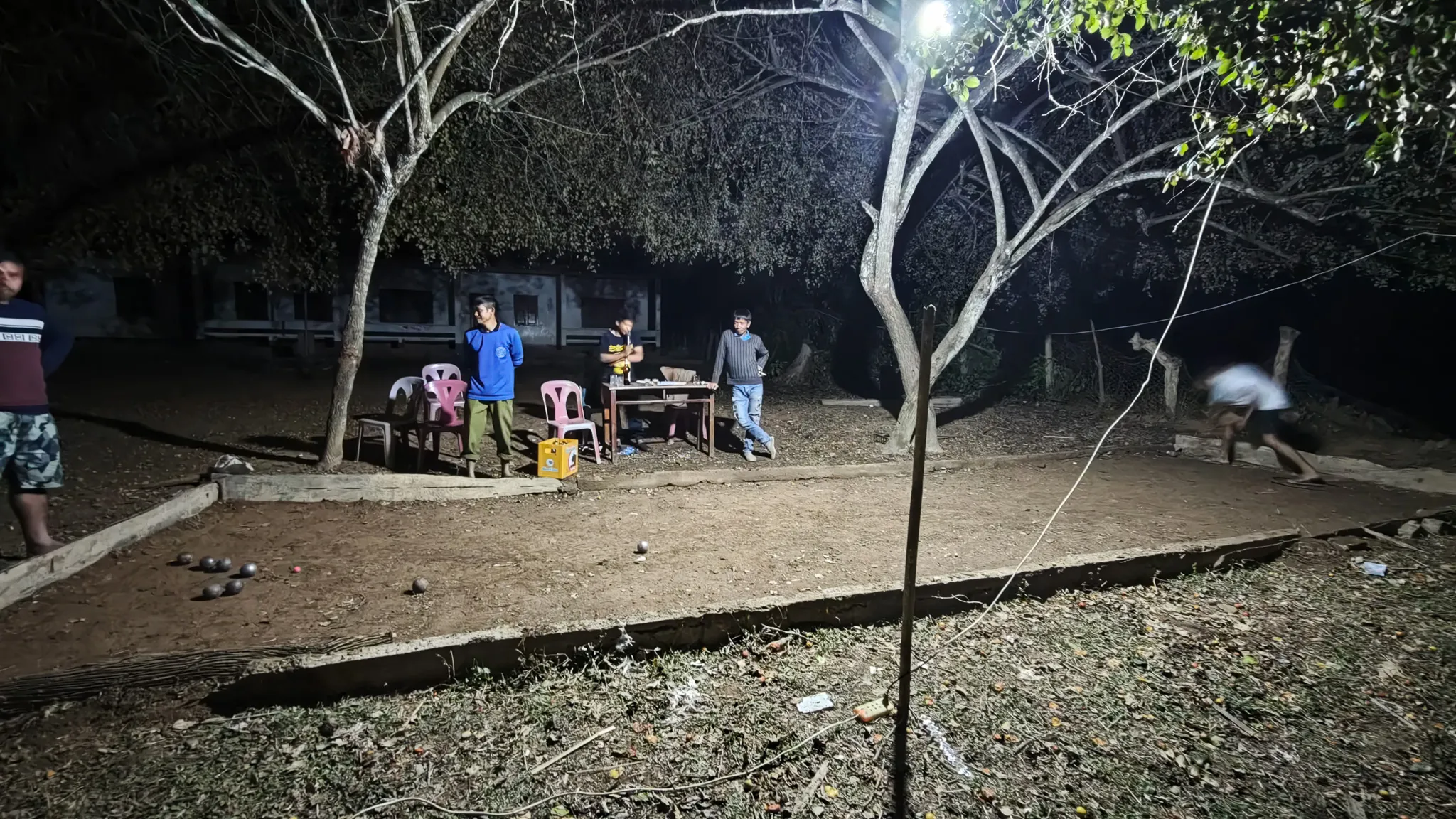
Pétanque is the national sport of Laos — not football, not muay, but boules. The French brought it during the colonial period and it stuck harder than anything else they left behind. Every village has a court. Men gather after work and play until nightfall. Laos even won gold at the Southeast Asian Games in 2001 — a 17-year-old called Soulasith Khamvongsa, only the second gold in the country’s history.
In Ban Haddean, the court was a patch of flattened earth between the houses. We played by the light of a single bulb. Beer Laos in hand, locals showing us how badly wrong our technique was, children watching from motorbikes they were too young to ride. The kind of evening that doesn’t translate into a photograph but we tried anyway.
Sleep
The Floor
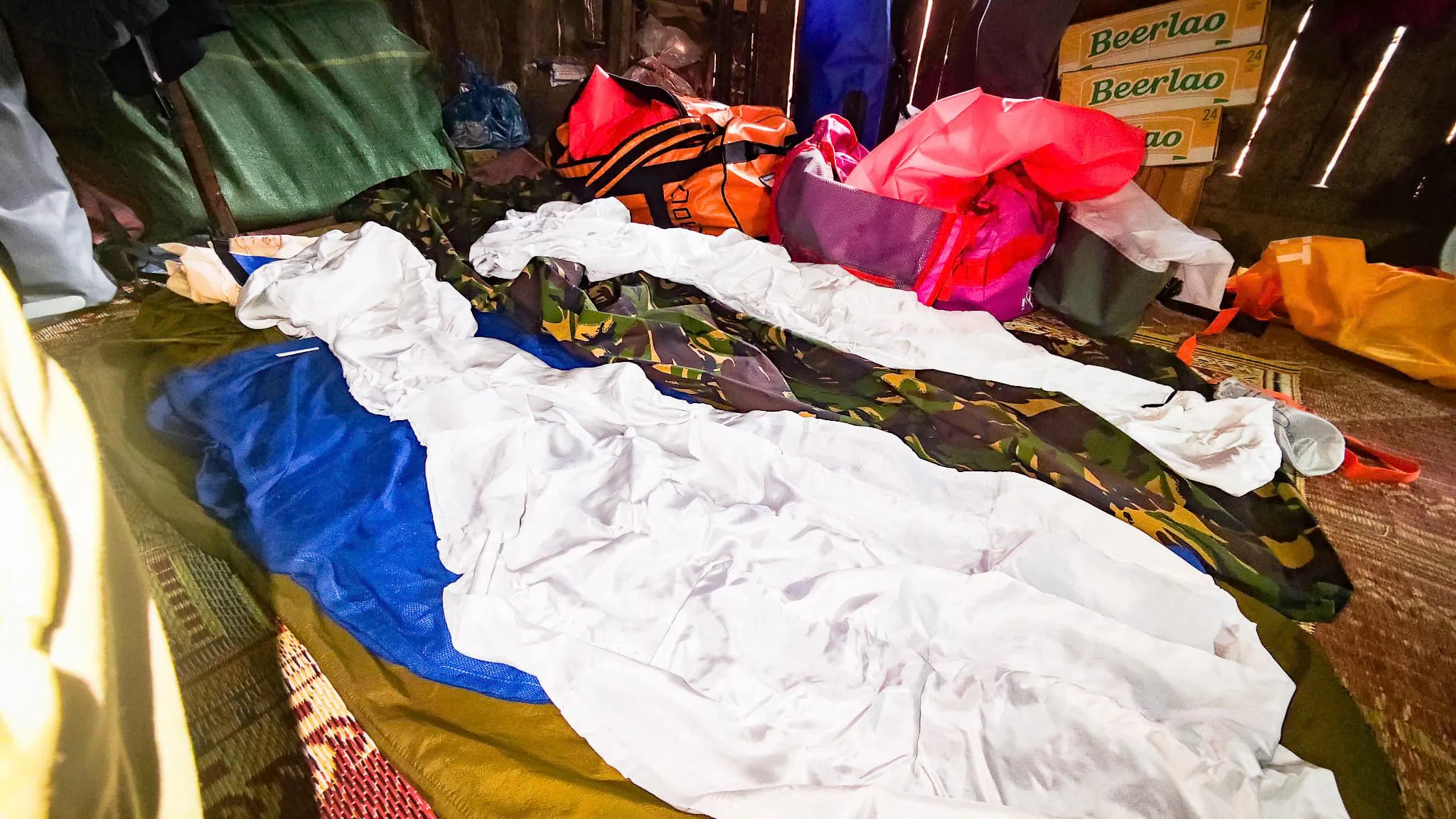
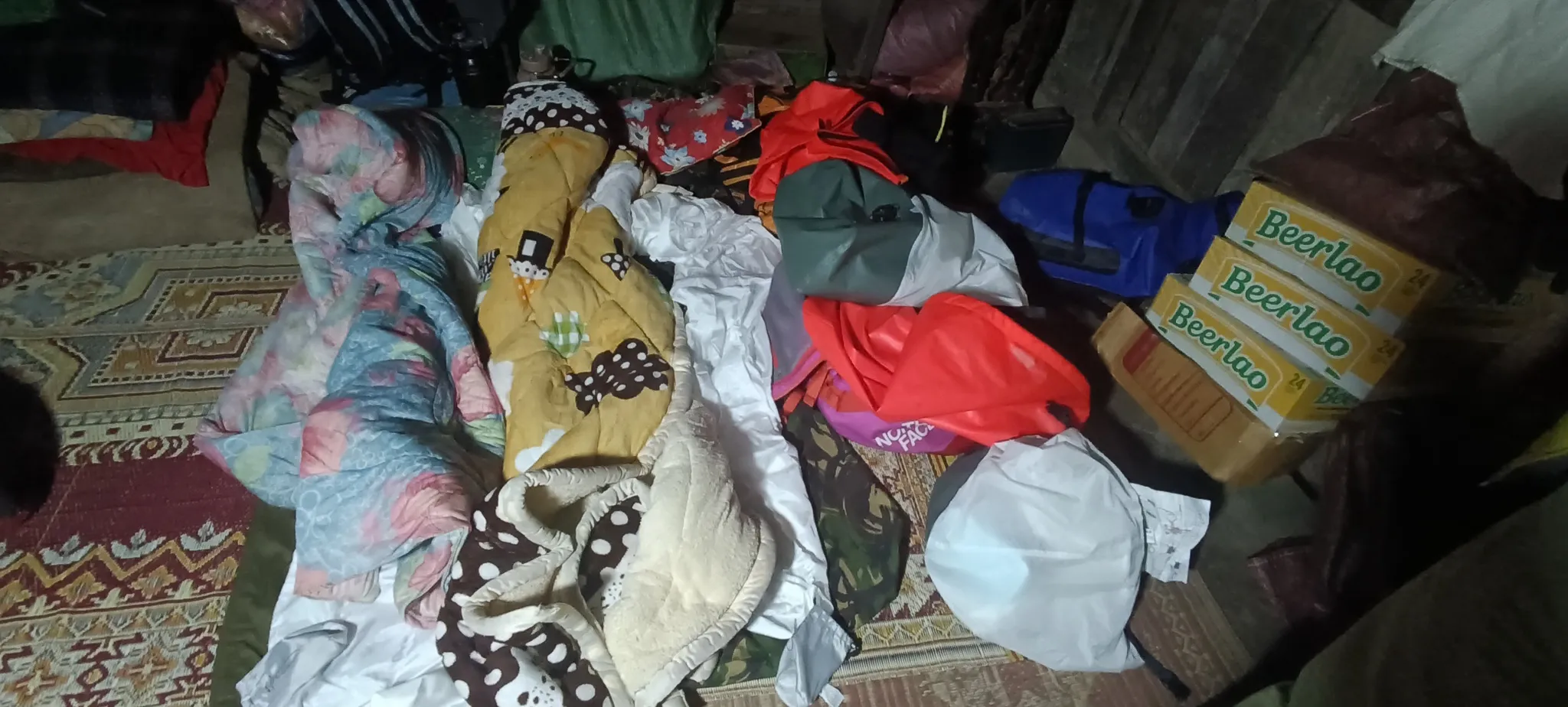
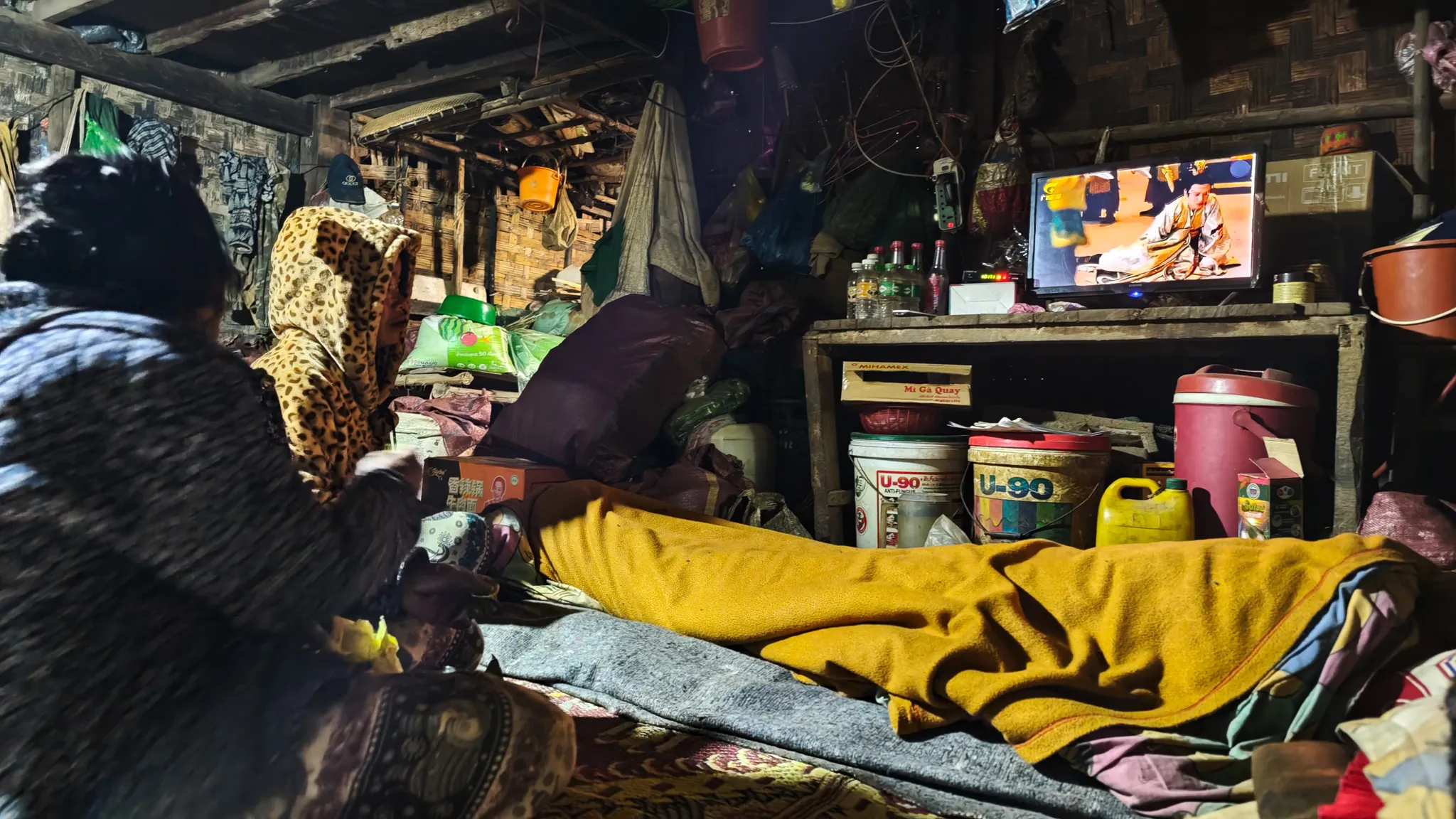
We slept on the floor of the stilt house. Beerlao boxes stacked in the corner. A TV flickering Vietnamese soap operas that the family watched while we drifted off. Tomorrow: 20 kilometres, breakfast shots, and an abandoned settlement. But that’s tomorrow’s story.
Next
Day 2 — Breakfast Shots & the Abandoned Settlement
Eggs, chili salt, and lao-lao for breakfast. Then 20 kilometres into the unknown.
Read Next →